
Introduction: Aging Beyond the Mirror—What Smoking Does Inside
When we think about smoking and aging, the first thing that comes to mind is wrinkles, dull skin, and premature lines. While those are valid concerns, the reality is much deeper—and far more alarming.
Smoking accelerates the aging process inside your body, impacting everything from your bones and organs to your brain and reproductive health. This internal damage isn’t as visible, but it’s far more dangerous, affecting your overall vitality, lifespan, and quality of life.
Here’s the good news: You have the power to reverse much of this damage by quitting smoking and adopting healthy habits. This blog will explore how smoking accelerates aging beyond your skin and the steps you can take to regain your youth, both inside and out.
👉 "Want to slow down aging and reclaim your vitality? Join our FREE Masterclass to learn how QSFS can help you quit smoking for good.
The Cellular Damage Smoking Causes
Smoking accelerates aging at the cellular level through a process called oxidative stress.
What Happens in Your Cells?
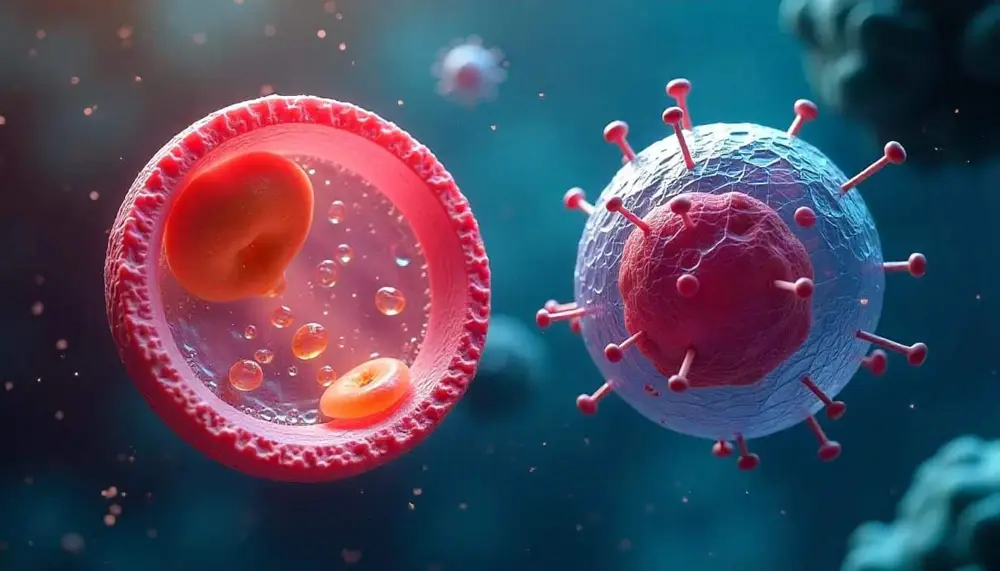
- Free Radical Damage: Smoking introduces harmful free radicals that attack healthy cells, breaking down collagen and accelerating cell death.
- Shortened Telomeres: Telomeres are protective caps at the ends of your DNA. Smoking shortens telomeres, causing cells to age faster and lose their ability to regenerate.
Key Fact:
How Smoking Ages Your Bones and Joints
Your skeletal system isn’t immune to the effects of smoking. Over time, smoking causes bones to weaken, leading to conditions like osteoporosis and arthritis.
How Smoking Impacts Your Bones:
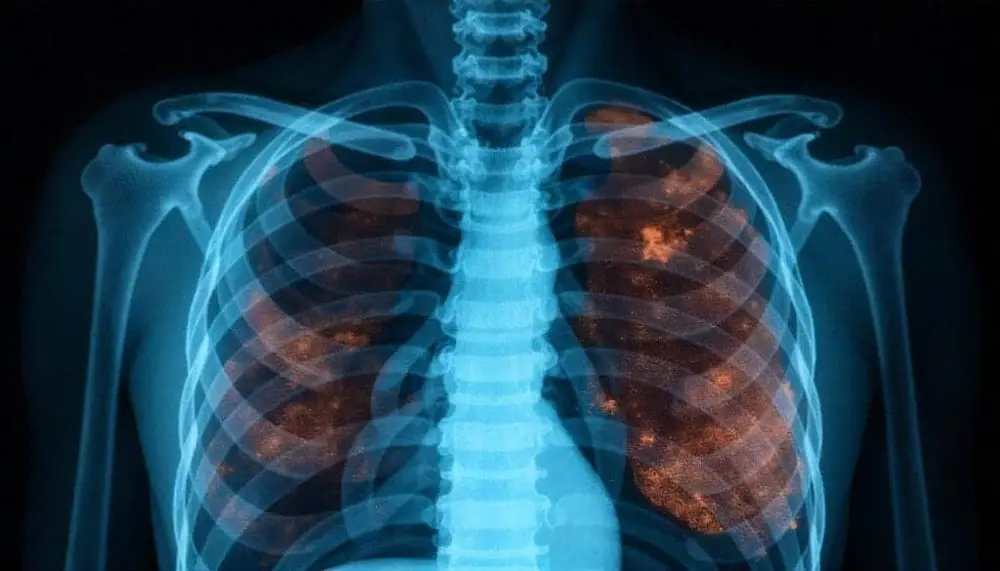
- Reduced Bone Density: Smoking lowers calcium absorption, weakening bones and increasing fracture risk.
- Slower Healing:
- Cartilage Damage: Smoking increases inflammation, contributing to joint pain and stiffness.
Did You Know? Smokers are twice as likely to develop osteoporosis compared to non-smokers.
The Impact on Internal Organs: Your Heart, Lungs, and Liver
While most people associate smoking with lung damage, it wreaks havoc on multiple organs.
Key Impacts:

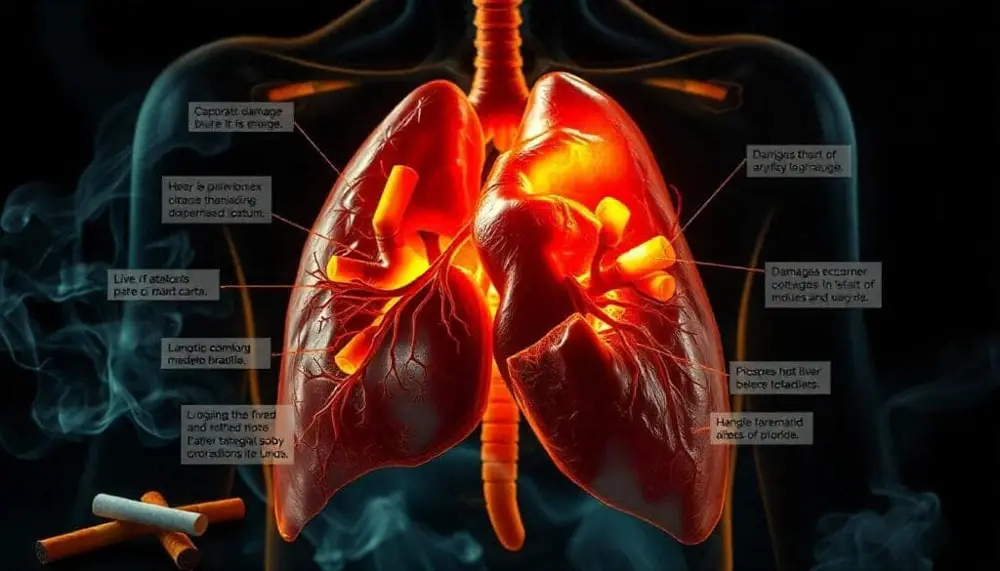
- Heart: Smoking causes arterial damage, leading to high blood pressure, heart disease, and premature heart aging.
- Lungs: Long-term smoking leads to chronic obstructive pulmonary disease (COPD), reducing lung capacity and vitality.
- Liver: Smoking increases oxidative stress in the liver, impairing its ability to detoxify your body.
👉Follow us on Instagram for daily tips on quitting smoking and improving your health.
Brain Aging and Cognitive Decline: Smoking’s Hidden Toll
Smoking accelerates brain aging, contributing to cognitive decline and increasing the risk of dementia and Alzheimer’s.
How Smoking Affects the Brain:

- Reduced Blood Flow: Smoking narrows blood vessels, reducing oxygen supply to the brain.
- Increased Risk of Stroke: Smokers are twice as likely to suffer a stroke compared to non-smokers.
- Memory Loss: Prolonged smoking damages brain cells, impairing memory and decision-making.
Hormonal Imbalances and Reproductive Aging
Smoking doesn’t just affect your skin or organs—it disrupts your hormones and reproductive health as well, leading to premature aging in both areas.
Key Impacts on Hormonal and Reproductive Health:
- Reduced Testosterone Levels:
Smoking decreases testosterone production, which is essential for energy, muscle growth, and libido in men. - Fertility Challenges:
Smoking reduces sperm count and quality, making conception harder for male smokers. - Premature Menopause in Women:
For female smokers, smoking accelerates hormonal imbalances and brings on menopause 1–4 years earlier than non-smokers.
| Feature | Herbal Cigarettes | QSFS (Quit Smoking Freedom System) |
|---|---|---|
| Nicotine-Free | Yes | Yes |
| Addresses Triggers | No | Yes (emotional, habitual, and physical triggers) |
| Creates Lasting Change | No (perpetuates smoking habits) | Yes (transforms mindset and behavior) |
| Scientific Backing | No | Yes |
| Health Risks | High (due to carbon monoxide, tar, etc.) | None (non-smoking-based approach) |
| Feature | Herbal Cigarettes | QSFS (Quit Smoking Freedom System) |
|---|---|---|
| Nicotine-Free | Yes | Yes |
| Addresses Triggers | No | Yes (emotional, habitual, and physical triggers) |
| Creates Lasting Change | No (perpetuates smoking habits) | Yes (transforms mindset and behavior) |
| Scientific Backing | No | Yes |
| Health Risks | High (due to carbon monoxide, tar, etc.) | None (non-smoking-based approach) |
Did You Know? Smoking increases oxidative stress on reproductive organs, which affects the ability of both men and women to reproduce successfully.
How Quitting Smoking Can Slow Down Aging
The moment you stop smoking, your body begins to repair itself—and this extends far beyond your skin. Quitting smoking is the best anti-aging strategy you can adopt.
Benefits of Quitting Smoking for Aging:
- Improved Cellular Health:
Telomeres can recover, slowing down the aging process at the DNA level. - Enhanced Circulation:
Improved blood flow rejuvenates your organs, boosts oxygen levels, and restores vitality. - Hormonal Balance:
Testosterone and estrogen levels gradually normalize, restoring energy and reproductive health. - Organ Repair:
Your lungs begin to heal within weeks, and your heart reduces its risk of disease over tim
Fact:
Actionable Steps to Reverse Smoking-Related Aging
Quitting smoking is the foundation for reversing the aging process, but combining it with these actionable steps can maximize recovery and help you regain your vitality:
Steps to Reverse Aging:
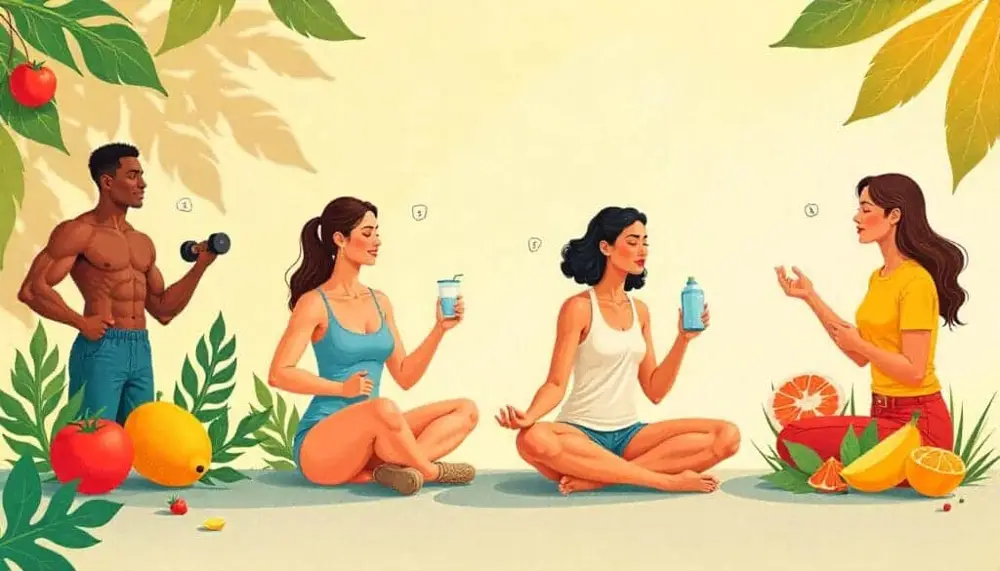
- Adopt an Antioxidant-Rich Diet:
Include fruits and vegetables like berries, spinach, and broccoli to combat free radical damage. - Stay Hydrated:
Hydration helps flush out toxins, repair cells, and restore skin elasticity. - Engage in Regular Exercise:
Activities like strength training and cardio boost blood flow, support bone health, and promote cellular repair. - Practice Mindfulness:
Stress accelerates aging, so techniques like meditation or yoga can help regulate cortisol levels. - Invest in Skin and Body Care:
Use moisturizers and sunblock to support external recovery while your internal systems heal.
Key Takeaway: A healthy lifestyle that includes balanced nutrition, regular exercise, and stress management can further boost fertility after quitting smoking.
Frequently Asked Questions
How does smoking accelerate the aging process?
Smoking damages cells through oxidative stress, reduces blood flow, and shortens DNA telomeres, which accelerates aging internally and externally.
Can quitting smoking reverse the effects of aging?
Yes, quitting allows the body to repair itself, restoring cellular health, blood flow, and hormone levels over time.
How long after quitting smoking will I notice anti-aging benefits?
Improvements in skin tone and energy levels are noticeable within weeks, while organ and cellular recovery can take months to years.
Does vaping slow down the aging process compared to smoking?
No, vaping still introduces harmful chemicals that accelerate oxidative stress and aging.
Can smoking-related bone damage be reversed?
Partially. Quitting smoking and adopting a calcium-rich diet can strengthen bones and slow further damage.
Is it ever too late to quit smoking and slow aging?
No, it’s never too late. Even decades of smoking-related damage can improve after quitting.
Does secondhand smoke cause aging effects too?
Yes, exposure to secondhand smoke increases oxidative stress and can contribute to premature aging in non-smokers.
How does smoking affect reproductive aging?
Smoking lowers fertility, disrupts hormones, and accelerates reproductive aging in both men and women.
Conclusion: Reclaiming Your Youth, Inside and Out
Smoking doesn’t just age your skin—it affects every part of your body, from your bones and organs to your brain and hormones. The great news? Quitting smoking is the first and most powerful step toward reversing these effects and reclaiming your vitality.
Take action today, and remember: it’s never too late to start the journey to a healthier, younger, and more vibrant you.
👉 Join our FREE Masterclass to discover how QSFS can guide you to a smoke-free life full of vitality and confidence.
👉 Follow us on Instagram for daily inspiration and anti-aging tips after quitting smoking.