
Introduction: Smoking and Sexual Health—The Untold Story
When we think about the dangers of smoking, the first things that come to mind are lung cancer, heart disease, or stained teeth. But what’s often overlooked is how smoking quietly wreaks havoc on men’s sexual health.
From reduced libido and erectile dysfunction to hormonal imbalances, smoking damages the systems that fuel vitality and confidence. Unfortunately, this connection is rarely discussed, leaving many men unaware of the harm they’re doing to their bodies and relationships.
Here’s the truth: Smoking and tobacco harm blood flow, testosterone production, and mental health—all of which are crucial for a healthy sex life. But the good news? Quitting smoking can help with these effects and help you regain your energy, confidence, and intimacy.
👉 "Want daily tips and motivation to quit smoking? Follow us on Instagram for expert advice and success stories."
How Smoking Impacts Sexual Health: The Science
Smoking directly affects the biological systems essential for sexual performance and vitality.
Key Effects of Smoking on Sexual Health:
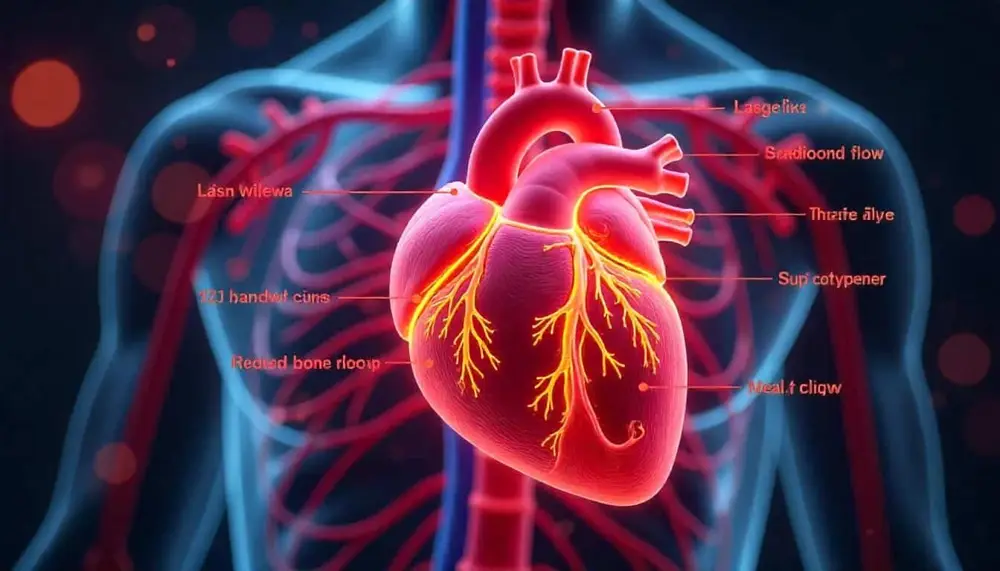
- Blood Flow Reduction:
Smoking damages blood vessels, leading to restricted blood flow to the penis. This makes achieving and maintaining erections difficult.
- Testosterone Disruption:
Nicotine reduces testosterone levels—the hormone responsible for libido, energy, and sexual drive. - Dopamine Interference:
Nicotine manipulates the brain’s dopamine system, creating short-term pleasure while dulling natural arousal and emotional connection.
For instance, consumers who turn to vaping often believe it’s a safer option. But vaping can also expose users to harmful toxins. If you’re curious about how vaping compares to smoking, we’ve explored the myths and facts in depth.
The Role of Nicotine in Lowering Testosterone

Testosterone is the driving force behind men’s libido, energy, and confidence. Smoking and nicotine use disrupt testosterone levels in two critical ways:
- Hormonal Imbalance: Nicotine interferes with the endocrine system, reducing testosterone production.
- Increased Stress Hormones: Smoking raises cortisol (the stress hormone), which directly suppresses testosterone levels.
Did You Know?
"Curious about the role of hormones in recovery? Check out our post on how quitting smoking boosts overall health."
Erectile Dysfunction: The Smoking Connection
Erectile dysfunction (ED) is one of the most common sexual health issues linked to smoking.
How Smoking Causes ED:

- Blood Vessel Damage: Smoking damages the endothelial lining of blood vessels, reducing their ability to dilate and allow blood flow to the penis.
- Carbon Monoxide Poisoning: Smoking increases carbon monoxide levels, depriving tissues of oxygen and further impairing circulation.
Statistic:
Nicotine gums and patches are another popular alternative, but like herbal cigarettes, they fail to address the emotional and habitual side of smoking. Learn more in “Does Nicotine Replacement Therapy Really Work?”
Emotional and Psychological Impact: Stress, Smoking, and Relationships
Smoking isn’t just a physical addiction—it’s deeply tied to your emotions and mental health.
Key Impacts:

- Stress Relief Myth: Many men smoke to cope with stress, but nicotine ultimately worsens anxiety and emotional instability over time.
- Relationship Strain: Struggles with sexual performance can lead to feelings of inadequacy, creating distance in relationships.
Breaking the Cycle: How Quitting Smoking Transforms Sexual Health
Quitting smoking is the most impactful step you can take to improve your sexual health.
Immediate Benefits After Quitting:

- Restored Blood Flow: Blood vessel function starts to recover within weeks, enhancing erections and stamina.
- Boosted Testosterone: Hormone levels begin to normalize, restoring libido and energy.
- Enhanced Emotional Intimacy: Freeing yourself from nicotine dependency reduces stress and fosters better relationships.
👉 "Ready to transform your health and relationships? Join our FREE Masterclass to learn how QSFS can help you quit smoking for good."
Actionable Steps to Improve Sexual Health After Quitting Smoking
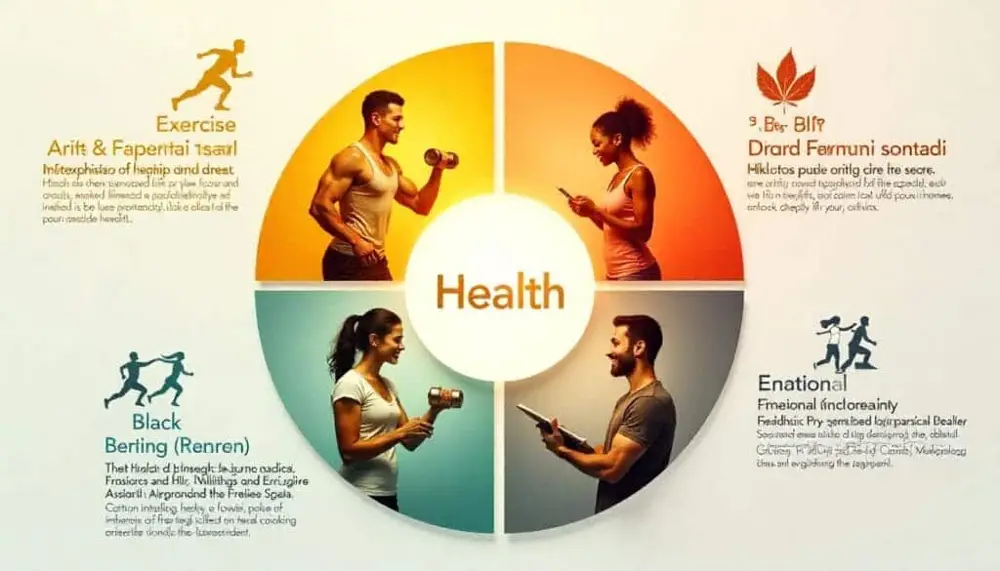
Quitting smoking is a powerful first step, but here are specific steps you can take to maximize recovery and restore your sexual health:
Actionable Steps:
- Exercise Regularly:
Physical activity improves blood flow, boosts testosterone, and enhances overall stamina. Start with 20–30 minutes of daily aerobic exercises like walking, jogging, or cycling.
- Adopt a Healthy Diet:
Foods rich in antioxidants and nitrates—like spinach, beets, walnuts, and salmon—promote blood circulation and reduce inflammation.
- Manage Stress Effectively:
Practice meditation, yoga, or deep breathing to lower cortisol levels, which can interfere with testosterone production and sexual performance.
- Reconnect Emotionally:
Use your improved mental clarity and reduced stress levels to rebuild intimacy and connection with your partner.

Frequently Asked Questions
How does smoking affect sexual performance?
Smoking reduces blood flow and testosterone, leading to erectile dysfunction and lower libido.
Will quitting smoking improve my sexual health?
Yes! Quitting restores blood flow boosts testosterone, and reduces stress, which greatly improves sexual performance and intimacy.
How long after quitting smoking will I notice changes in sexual health?
Most men notice improvements within weeks, such as better erections and increased energy. Full recovery may take a few months.
Can erectile dysfunction caused by smoking be reversed?
In many cases, yes. Quitting allows blood vessels to heal, improving erectile function over time.
Does nicotine gum or vaping impact sexual health?
Yes, any nicotine product can lower testosterone and impair blood flow. The key is to quit all nicotine sources.
How does smoking affect emotional intimacy?
Smoking often increases stress and mental fog, which can strain relationships. Quitting improves mental clarity and fosters better emotional connections.
What steps can I take to boost recovery after quitting smoking?
Exercise, eat a healthy diet, manage stress, and rebuild emotional intimacy with your partner.
Is QSFS the right program for improving my sexual health after quitting?
Yes. QSFS is designed to address the physical, emotional, and behavioral aspects of nicotine addiction, helping you achieve full recovery and vitality.
Conclusion: Reclaiming Vitality and Confidence
Smoking isn’t just costing you your physical health—it’s stealing your confidence, intimacy, and emotional connection with your loved ones. By quitting nicotine and adopting healthier habits, you can reclaim your vitality and become the best version of yourself.
This transformation isn’t just about quitting; it’s about starting a new chapter in your life, where you feel stronger, more connected, and in control of your health and relationships.
Take the first step today.
👉 "Need daily inspiration? Follow us on Instagram for expert tips and real success stories."