This guide shares general information from QSFS's experience with people who quit smoking. It is not medical advice. If you have a heart, lung or other health condition, please keep following your doctor's advice.
If you are reading this with a cigarette nearby, wondering whether quitting is really worth the fight, or whether too much damage is already done, this page is for you. No lecture, no scary photos. Just what actually changes when you stay smoke-free, year after year.
The Long-Term Timeline: What Changes Year by Year
These milestones are based on what public health bodies such as the WHO and the CDC report. Every body is different, so treat them as a general guide, not a promise.
Time smoke-free
What generally changes
First weeks to months
Circulation improves, breathing feels easier, coughing and phlegm often ease as the lungs clear.
1 year
The extra risk of coronary heart disease drops sharply, to around half of a continuing smoker's.
2 to 5 years
Stroke risk keeps falling; risk of mouth, throat and food-pipe cancers is roughly halved by about 5 years.
10 years
Lung cancer risk is about half that of someone who kept smoking; risks of bladder, kidney and pancreas cancers also come down.
15 years
Risk of coronary heart disease comes close to that of a person who never smoked.
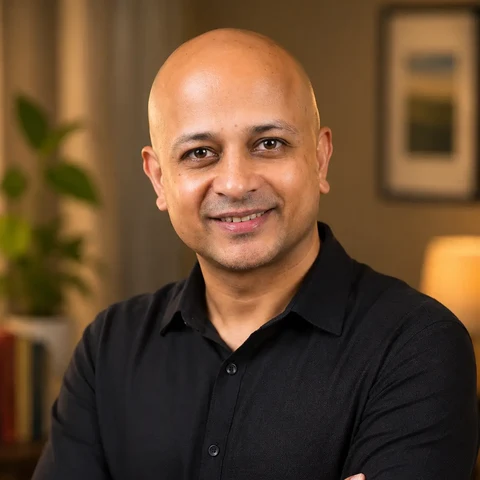
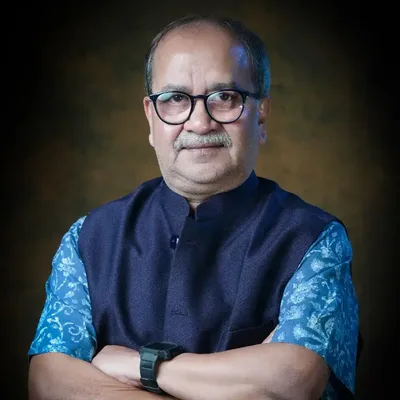
Dr. Koushik Chaki, a clinical cardiologist and diabetologist from Kolkata, took part in QSFS himself. This is his personal observation about the program, not a medical endorsement or advice for your case.
"The QSFS program provides structured support, education, and accountability that help individuals understand their triggers and build healthier coping mechanisms. By combining behavioral strategies with ongoing guidance, it empowers people to break nicotine dependence for good and sustain a smoke-free lifestyle."
This is the doubt that keeps most long-time smokers stuck: "The damage is done, so why bother?" The evidence says otherwise. Long-term studies of smokers, such as the British Doctors Study, found that people who stopped around 40 gained close to 9 years of life compared with those who continued, and even those who stopped around 60 gained about 3 years.
Some damage may stay. But stopping prevents new damage every single day, and many people notice better breathing, sleep and energy within weeks. The length of the habit makes the routine deeper, not impossible to change.
Beyond the Body: The Benefits Nobody Talks About
1. Freedom from "pocket panic"
Checking for the packet and lighter before leaving home. Slipping away from a family dinner or a wedding to find a corner. Counting the hours of a flight or a long meeting. Worrying that your kids or parents will smell it on your hands. Being smoke-free means your day is no longer planned around the next cigarette.
2. Steady energy instead of ups and downs
Nicotine wears off within a couple of hours, so a smoker's mood and focus keep rising and dipping. Once that cycle ends, many people describe calmer mornings, fewer afternoon crashes and better sleep. Read more on how nicotine affects sleep.
3. Taste, smell and appearance
Food tastes fuller, the smell of rain or home cooking comes back, and skin often looks less dull as circulation improves. See smoking and skin ageing.
4. Self-respect and family pride
No more hiding, no more broken promises on birthdays and New Year. Children who grow up seeing a parent smoke are more likely to try it themselves, so quitting is also one of the strongest examples you can set at home. Read how smoking affects your family.
Real Story: Shobhit, 13 Years of Smoking
"After 13 years of smoking, I didn't think I could ever quit. But after joining QSFS, I realized it's not about willpower, it's about rewiring how I think about smoking. Today, I've been smoke-free for over a year, and everything feels better: my energy, my confidence, and my relationships."
— Shobhit, QSFS participant
The Money: What 10 Years of Smoking Really Costs
Let's do simple, honest maths. Say cigarettes, the chai that goes with them and lighters cost you ₹300 a day.
Per month: about ₹9,000.
Per year: about ₹1,08,000.
Over 10 years: about ₹10.8 lakh, gone as smoke.
If saved instead: ₹9,000 a month in a monthly saving plan at an assumed 10% yearly return could grow to around ₹18 lakh in 10 years. Returns are not guaranteed, but the direction is clear.
That is a child's college fee, a home down payment or simple peace of mind. See the true cost of smoking.
Watch: Sushil's Story from Pune
Sushil Raddi from Pune shares his own quit journey. If you are wondering whether someone with a busy, normal life can really stay smoke-free, watch this.
"The experience with QSFS was great and the support was also great. The support through the quit journey was phenomenal and I never felt alone."
— Sushil Raddi, Pune, smoke-free since January 2025
Why Long-Term Benefits Depend on Staying Free
Every benefit on this page grows only while you stay smoke-free. Most people who go back don't relapse because of the body; the physical pull settles within weeks. They go back because the routine was never changed: the chai cigarette, the stress break, the party "just one". Read why people relapse and how to stop it.
Your Next Step
QSFS, the Quit Smoking & Nicotine Freedom System, is drug-free online coaching that works on both parts of the habit: the body's need and the mental routine. It is not a medical clinic and does not diagnose or prescribe.
I have smoked for 20 years or more. Is it too late to get the long-term benefits?
No. Large long-term studies show that people who stop at 40, 50 or even 60 gain years of life compared with those who keep smoking, and blood pressure, breathing and energy often start improving within weeks. The earlier you stop, the bigger the gain, but there is no age where stopping stops mattering.
When does heart attack risk come down after quitting?
Health bodies such as the CDC report that the extra risk of heart disease falls sharply within the first one to two years, and that over roughly 15 years it comes close to that of someone who never smoked. If you have a heart condition, keep following your doctor's advice.
Can lung damage from many years of smoking heal?
Some damage, such as scarring or COPD, may not fully reverse. But coughing and breathlessness often ease in the first months, the lungs' cleaning system recovers, and lung cancer risk keeps falling year after year. Stopping also prevents further damage.
Does the urge to smoke ever fully go away?
For most people the strong daily pull fades within weeks. Occasional thoughts can return at old trigger moments like chai, stress or a party. When the routine and the belief that a cigarette gives you something are dealt with, those thoughts become weak and rare.
How much money does a smoker in India save over 10 years?
At ₹300 a day on cigarettes, chai and lighters, that is about ₹9,000 a month, or roughly ₹10.8 lakh over 10 years. Put the same ₹9,000 into a monthly saving plan and, at an assumed 10% yearly return (not guaranteed), it could grow to around ₹18 lakh.