
What You’ll Learn

- How smoking affects the skin from the inside, not just the surface
- Why smokers develop wrinkles earlier than expected
- How reduced blood flow changes skin color, texture, and repair
- What collagen does for skin strength—and how smoking damages it
- Why these skin changes follow a clear physical process
Skin is often thought of as something cosmetic, but it is actually a living organ. It depends on steady blood flow, oxygen, and constant repair to stay healthy. When these inner supports are strong, skin stays firm, elastic, and able to bounce back.
Smoking quietly interferes with these supports. Changes begin under the surface long before wrinkles or sagging are easy to see. Blood supply drops, repair slows down, and the basic building blocks that keep skin strong start to weaken.
To understand why smoking leads to earlier wrinkles and faster aging, it helps to look at what healthy skin needs on the inside, and how cigarette smoke slowly disrupts those needs step by step.
Approve this revision, revise further, or move to the next section?
How healthy skin is maintained from the inside
Healthy skin depends on what happens below the surface. Blood vessels bring oxygen and nutrients to skin cells, helping them make energy, repair damage, and replace old cells on a regular basis.
Skin also relies on steady blood flow to carry away waste. When circulation is smooth, skin cells stay active, hydrated, and responsive. This is what gives skin a natural glow and an even tone.
Another important factor is repair speed. Skin is constantly exposed to sunlight, pollution, and small injuries. Healthy skin handles this by repairing damage each day, making new cells, and keeping its support structure strong.
All of these things—blood flow, oxygen delivery, waste removal, and repair—need to work together. When any part slows down, skin can begin to thin, lose elasticity, and age faster. This is the foundation that smoking interferes with.
What cigarette smoke does to skin blood flow
Skin stays healthy only when it receives enough blood. Blood brings oxygen and nutrients that skin cells need to stay fresh, repair damage, and remain firm.
When someone smokes, nicotine enters the bloodstream very quickly. Nicotine causes the small blood vessels that supply the skin to tighten and narrow. When this happens, less blood is able to reach the skin.
With reduced blood flow, skin cells receive less oxygen and fewer nutrients. At the same time, waste inside the skin is cleared more slowly. The skin is still present, but it is no longer being properly supported from the inside.
This happens each time a person smokes. Over time, repeated low blood flow makes skin appear dull, dry, and tired. More importantly, it slows skin repair, allowing wrinkles and other signs of aging to appear earlier than they normally would.
What collagen does for skin strength and firmness
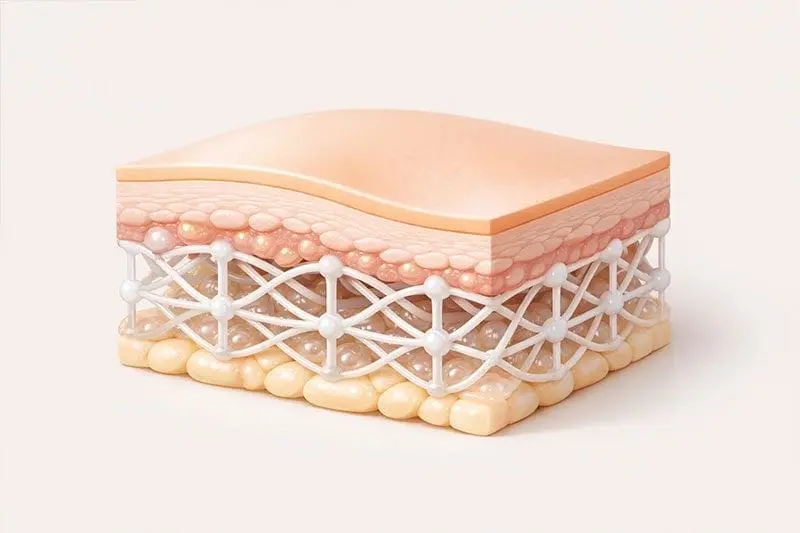
Collagen is what gives skin its shape and strength. It acts like a natural support layer beneath the skin, helping it stay firm, smooth, and elastic.
When collagen is healthy, skin looks tight and bounces back easily after facial movements like smiling or frowning. Fine lines fade quickly because the skin can support itself well.
Collagen is not permanent. Each day, some collagen breaks down and new collagen is made to replace it. For this cycle to work properly, skin cells need steady blood flow, oxygen, and nutrients.
When collagen breaks down faster than it can be replaced, skin begins to lose firmness. Wrinkles become deeper, skin starts to sag, and signs of aging become more visible. This is the point where damage starts to show on the surface.
How smoking damages collagen and leads to wrinkles
Once collagen is formed in the skin, it needs to stay strong to support skin structure. Smoking interferes at this stage by damaging collagen that is already there.
Cigarette smoke releases harmful chemicals into the bloodstream. When these reach the skin, they create internal stress inside skin tissue. This stress weakens collagen fibers, making them thinner and more fragile.
At the same time, smoking slows the skin’s ability to replace damaged collagen. As a result, weakened collagen stays in place longer instead of being repaired. The skin slowly loses its internal support.
As this support weakens, the skin cannot hold its shape as well. Fine lines stop fading, folds become deeper, and wrinkles begin to settle in.
This is how smoking speeds up skin aging—not by drying the surface, but by gradually breaking down the skin’s inner support system.
How Smoking Accelerates Skin Aging
What This Explains
This explanation helps connect visible skin changes to what is happening inside the body, not just on the surface. Wrinkles, sagging, and early aging do not appear suddenly. They are the visible result of long-term internal strain on the skin.
It explains why people who smoke may notice their skin looks older even if they use creams or follow skincare routines. When blood flow is reduced and collagen support weakens from within, the skin loses its ability to hold its shape and repair everyday wear.
It also explains why these changes show up gradually. Each cigarette slightly reduces nourishment, slows repair, and weakens structure. One time may not be noticeable, but repeated over years, the effects become clear on the face and skin.
Most importantly, this shows that smoking affects skin aging through a steady physical process, not genetics or chance. The skin responds just as any living tissue would when its blood supply, repair systems, and internal support are repeatedly reduced.
Quit Smoking Journey: From Hiding it to 100 Days Nicotine Free Real Indian Story
This video adds a real-life perspective to the blood-level explanation above. It helps connect everyday experiences—such as fatigue or reduced energy—with what is happening silently inside the blood when hemoglobin cannot carry enough oxygen.
Frequently Asked Questions
How does smoking affect skin aging differently than normal aging?
Normal aging happens slowly as collagen naturally reduces with time. Smoking speeds this up by reducing blood flow and damaging collagen, causing wrinkles and sagging to appear earlier than expected.
Why do smokers often have dull or uneven skin tone?
Because smoking reduces blood supply to the skin. With less oxygen and fewer nutrients reaching skin cells, the skin loses its natural color and brightness.
Are smoking-related wrinkles only caused by facial movements?
No. Facial movements play a small role, but the main cause is internal damage—reduced repair and weakened collagen that can no longer support the skin properly.
Can smoking affect skin even in people with good genetics?
Yes. Genetics influence skin quality, but smoking changes blood flow and collagen structure. These physical effects can override genetic advantages over time.
Why do wrinkles from smoking look deeper or sharper?
Because smoking weakens the skin’s internal support. When collagen is damaged, skin cannot cushion movement well, so lines settle in more firmly.
Does smoking affect skin repair after cuts or pimples?
Yes. Reduced blood flow slows healing. Skin takes longer to repair small injuries, which can make marks last longer.
Does smoking affect collagen only on the face or the whole body?
Smoking affects collagen throughout the body, but changes show first on the face because facial skin is thinner and constantly moving.
Can skin aging from smoking happen even at a young age?
Yes. Skin aging depends on internal damage, not age alone. Reduced blood flow and collagen damage can affect skin early if smoking starts young.
Is dry skin from smoking related to collagen damage?
Yes. When blood flow and repair slow down, the skin struggles to maintain moisture and structure, leading to dryness along with wrinkles.
References
- World Health Organization (WHO) – Tobacco and health (effects on skin and aging)
https://www.who.int/health-topics/tobacco - National Institutes of Health (NIH) – Smoking and its effects on the body
https://www.nih.gov/health-information
Summary
Smoking affects skin health from the inside out. Each cigarette reduces blood flow to the skin, limiting the oxygen and nutrients skin cells need to stay healthy and repair daily damage.
Over time, this reduced support slows skin renewal and weakens collagen, the structure that keeps skin firm and elastic. As collagen breaks down faster than it can be replaced, fine lines deepen, wrinkles settle in, and skin begins to sag earlier than expected.
These changes do not happen overnight. They build gradually through repeated interference with blood supply, repair, and internal support. This is why smoking-related skin aging follows a clear physical pattern, reflecting long-term stress on the skin rather than surface dryness or natural aging alone.