
What You’ll Learn

- Why quitting smoking with willpower often leads to frustration and failure.
- The science behind nicotine addiction and why willpower is not enough.
- How QSFS offers a smarter, root-cause solution to quitting smoking.
- Inspiring real-life testimonials to motivate your journey.
- Practical resources to help you get started on your smoke-free life.
Quick answer: Why doesn't willpower work to quit smoking?
Willpower means fighting a desire you still believe in. As long as part of you thinks a cigarette relieves stress or brings pleasure, the urge keeps coming back and willpower gets tired.
What works is changing that belief, so there is no desire left to fight. That is the approach taught in the free QSFS masterclass.
Topic
- 01: Introduction: The Willpower Myth
- 02: Why Willpower Fails: Understanding the Real Addiction
- 03: What Happens When You Quit Using Willpower Alone
- 04: Comparison: Willpower vs. QSFS Method
- 05: Analogy: Why Quitting Isn’t Just About Willpower
- 06: Dr. Rajesh’s Journey: From 30 Years of Smoking to a Smoke-Free Life
- 07: Why QSFS Succeeds Where Willpower Fails
- 08: FAQs on Willpower and Quitting Smoking
- 09: Conclusion: A Smarter Way to Quit
Introduction: The Willpower Myth
If you’ve ever tried to quit smoking, you’ve probably been told that all it takes is “willpower.” Just decide to stop smoking, and everything will magically fall into place, right?
Not exactly.
Relying on willpower is like holding your breath underwater. You can only do it for so long before you come up for air. Smoking isn’t just a habit; it’s deeply tied to your emotions, coping mechanisms, and even your identity.
For many smokers, quitting feels like giving up a crutch. Smoking helps you manage stress, relax after a long day, or bond with friends. So when you try to quit, you’re not just fighting cravings—you’re battling all the moments in your life where you think you “need” a cigarette.
In this blog, we’ll explore why willpower alone is not enough, compare it to the QSFS method, and highlight why a smarter, more holistic approach is the key to lasting success.
Why Willpower Fails: Understanding the Real Addiction
Smoking is a Psychological Puzzle
The truth is, smoking isn’t just a physical addiction to nicotine. It’s a mental and emotional habit tied to your daily routines.
- You light up with your morning chai.
- You take a smoke break during work to “de-stress.”
- You reach for a cigarette when you’re bored, lonely, or celebrating.
Every cigarette becomes a conditioned response to your emotions or environment. This is what makes quitting so challenging—it’s not just about breaking a habit; it’s about rewiring how you cope with life.
The Role of Nicotine in Willpower
Nicotine tricks your brain into releasing dopamine—the “feel-good” chemical. Over time, your brain starts relying on nicotine to feel normal. When you quit cold turkey, your dopamine levels crash, leading to:
- Irritability
- Anxiety
- Depression
- Cravings
This is why many smokers say they feel worse when they try to quit. It’s not that they lack willpower; it’s that their brain chemistry is fighting against them.
What Happens When You Quit Using Willpower Alone
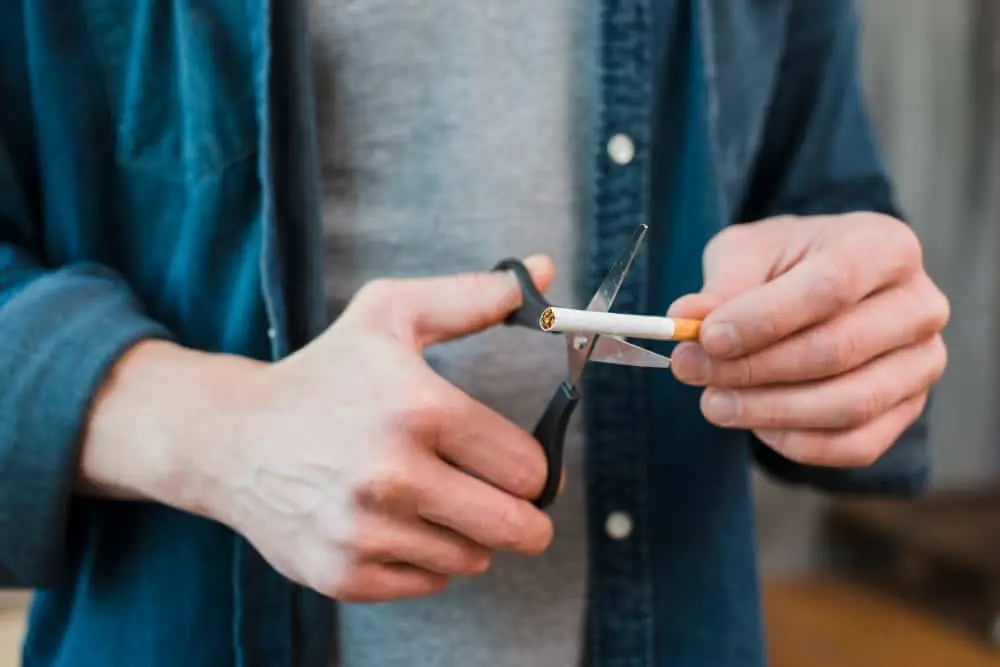
When people quit smoking with willpower alone, they often face withdrawal symptoms like:
- Irritation and mood swings: Everyday stress feels 10x harder to manage.
- Sleep disturbances: Trouble falling or staying asleep.
- Lack of focus: Feeling distracted and unable to concentrate.
- Headaches and physical discomfort: A common side effect of nicotine withdrawal.
I’ve consulted with thousands of smokers who’ve shared these struggles. Many of them said that quitting with willpower felt like constantly fighting themselves, leading to frustration, exhaustion, and ultimately, relapse.
Smoking isn’t just a habit—it’s an addiction with psychological roots. Willpower alone doesn’t address the emotional triggers or the mental dependency, which is why it so often fails.
Comparison: Willpower vs. QSFS Method
Here’s a side-by-side comparison of why willpower alone often fails and how the QSFS method provides a more effective solution:
| Aspect | Willpower-Based Quitting | QSFS Method |
|---|---|---|
| Approach | Relies solely on self-control to resist cravings. |
Focuses on understanding and transforming your relationship with smoking. |
| Withdrawal Symptoms | Severe cravings, mood swings, irritability, and physical discomfort. | Mitigates withdrawal through psychological reframing and QSFS rituals. |
| Triggers | No tools to handle emotional or situational triggers. | Provides step-by-step strategies to navigate triggers effectively. |
| Success Rate | Low (4-6% with cold turkey). | High (95% success rate among committed QSFS participants). |
| Long-Term Benefits | Short-term resistance often leads to relapse. | Creates lasting behavioral and emotional change for lifelong freedom. |
The key difference? QSFS doesn’t just help you quit smoking—it helps you become the kind of person who no longer needs cigarettes.
Analogy: Why Quitting Isn’t Just About Willpower
The Stretching Band
Think of willpower like stretching a rubber band. The more you stretch, the more tension builds. Eventually, the band snaps back to its original shape.
This is what happens when you rely on willpower to quit smoking. You can resist for a while, but without addressing the root cause, you’ll snap back to smoking when the cravings or stress become too much.
The Blockbuster Movie
To make a blockbuster movie, you need more than just one star actor or actress. You need directors, writers, editors, and an entire team working together.
Similarly, quitting smoking requires more than just willpower. It requires tools, support, and a complete shift in mindset. Willpower is just one small piece of the puzzle—it’s not the whole solution.
Is the Cold Turkey Method a Good Way to Quit?
Short answer: Stopping completely on one day is a good decision. What usually fails is cold turkey on willpower alone, where you stop the cigarette but still believe it helps with stress, chai or work breaks. Then every craving feels like losing something, and most people go back within days or weeks.
| Cold turkey on willpower | Stopping with a changed mindset | |
|---|---|---|
| Quit day | Sudden, often after a scare | Planned, with triggers mapped first |
| Belief about the cigarette | "I am giving up something I enjoy" | "I am free of something that never helped" |
| When a craving comes | Fight it and hope it passes | Recognise it and use a ready response |
| After a slip | "I failed" and full relapse | Understand the trigger and continue |
If you have tried cold turkey before and gone back, it does not mean you are weak. A confidential 1-on-1 consultation can help you see exactly which trigger pulled you back.
Why QSFS Succeeds Where Willpower Fails
QSFS is different because it:
- Transforms Your Mindset: Instead of resisting cravings, you reframe smoking so it no longer controls you.
- Provides Practical Tools: From rituals to coping strategies, QSFS equips you to handle real-life situations.
- Builds a Supportive Community: You’re not alone—QSFS gives you access to coaches and peers who understand your journey.
🎥 Watch My Video: Why Willpower is a Myth
How to Rebuild Your Immune System After Quitting Smoking
Quitting smoking is the first step, but you can take additional measures to rebuild your immune health:
5.1 Nutrition
- Antioxidant-Rich Foods: Include berries, leafy greens, and nuts to combat oxidative stress.
- Vitamin C: Citrus fruits, bell peppers, and broccoli help boost immune function.
- Omega-3 Fatty Acids: Salmon, walnuts, and flaxseeds reduce inflammation.
5.2 Stay Active
Regular exercise improves blood circulation, boosts white blood cell activity, and reduces stress hormones.
5.3 Hydration
Drink plenty of water to flush out toxins and keep your immune system functioning optimally.
5.4 Adequate Sleep
Aim for 7-9 hours of sleep per night. Sleep is critical for repairing cells and producing immune proteins.
5.5 Stress Management
High stress levels weaken immunity. Practice yoga, meditation, or breathing exercises to stay calm
Frequently Asked Questions
The Chai-Sutta Link: Why Some Cigarettes Feel Impossible to Skip
For many smokers in India, the hardest cigarettes are not random. They come attached to a ritual: the cup of chai at the tapri, the break with colleagues, the walk after lunch, the last smoke before bed. Over months and years, the mind starts treating the chai and the cigarette as one event. That is why the craving can feel strongest exactly when the tea arrives.
This is a learned link, not a sign of weak character. Links that were learned can be unlearned. Simply avoiding chai or office breaks forever rarely works. What helps is understanding what the cigarette seemed to give you in that moment (a pause, company, relief) and seeing that the moment itself can stay without the nicotine.
Why doesn’t willpower work for most people?
Willpower doesn’t address the psychological and emotional triggers behind smoking. It’s a short-term solution for a long-term problem.
How is QSFS different from other quitting methods?
QSFS tackles both the physical and mental aspects of addiction, providing tools and support to make quitting easier and more sustainable.
What can I expect in the QSFS program?
The program includes live sessions, guided practice and counselor support to guide you through every step of your quitting journey.
I relapsed — does that mean I am weak?
No. A slip shows which belief or trigger is still active. Learn from it and continue; it does not undo your progress.
Why do I crave a cigarette with chai or stress?
These moments were linked with smoking hundreds of times, so the brain expects a cigarette there. The link weakens each time you get through the moment without one.
Is quitting without willpower really possible?
Yes. When you no longer see smoking as a benefit, stopping feels like relief rather than sacrifice.
Conclusion: A Smarter Way to Quit
Quitting smoking isn’t about being stronger or tougher—it’s about being smarter. Willpower might get you started, but it won’t take you the whole way. QSFS offers a comprehensive, science-backed approach that addresses the real reasons behind your addiction.
This is why QSFS works on the trigger itself, not on willpower. The QSFS Program walks you through this step by step over 11 structured sessions.
Start With the Master Guide
This article is part of a bigger, step-by-step guide: