
Why Slips Aren’t Harmless: The Complete Relapse Truth

Authored by QSFS Team: Final Review by Aman Doda
Last Updated: 04/02/2026

- What actually happens in the brain after a “small slip”
- Why one cigarette or one dose is not neutral to recovery
- How slips re-activate old nicotine pathways
- Why slips often feel controlled at first but lead to relapse later
- What explains the pattern of “just once” turning into regular use
- 01: What a “slip” actually means in biological terms
- 02: How nicotine reactivates old brain pathways after quitting
- 03: Why the brain interprets slips as permission, not exceptions
- 04: How slips quietly undo early recovery
- 05: What this explains about why relapse often follows “just one time”
- 06: The Biggest Mistake People Make While Quitting Smoking or Gutka
- 07: FAQs
- 08: Disclaimer
Many people believe a slip is harmless. One cigarette, one puff, or one day of use is often dismissed as “no big deal,” especially after a period of quitting.
At first, this idea feels reasonable. If quitting is going well, it’s easy to assume that a single slip won’t really matter.
But many people notice a familiar pattern. What starts as “just once” slowly leads to stronger urges, mental bargaining, and, over time, a return to regular use.
To understand why this happens, we need to look beyond intention and willpower—and see what a slip actually does inside the brain during recovery.
What a “slip” actually means in biological terms
A slip is not just a momentary choice. Biologically, it means nicotine has re-entered a brain that was in the process of adjusting to life without it.
After quitting, the brain begins reducing the strength of old nicotine pathways. These pathways are not erased—they are quieted. A slip switches them back on.
Even a small amount of nicotine triggers dopamine release in circuits the brain previously linked with relief and reward. The brain recognizes this pattern instantly.
From a biological perspective, the brain does not register a slip as “just once.” It registers it as proof that nicotine is still available.
Instead of continuing recovery, the brain is reminded how to activate old patterns again.
How nicotine reactivates old brain pathways after quitting
During regular use, the brain builds strong connections between nicotine and comfort, relief, and routine.
When someone quits, these connections slowly weaken. The brain uses them less, and their influence begins to fade.
A slip reverses this process. Even a small dose sends a strong signal through these old circuits, strengthening them again.
This happens quickly because the brain is efficient at restoring familiar reward patterns it has used many times before.
As a result, a slip does not add just one moment of use—it restores a pathway that was already in the process of shutting down.
Why the brain interprets slips as permission, not exceptions
The brain does not understand intention the way humans do. It does not process “just this once” as a special rule.
When nicotine enters the system, the brain reads one message: nicotine is still available.
This changes internal boundaries. What was previously “off” becomes mentally negotiable again.
Thoughts like “I handled it last time” or “I can control it” appear more easily, not because of poor judgment, but because the brain has reopened old decision routes.
From the brain’s point of view, a slip is not an exception. It is confirmation.
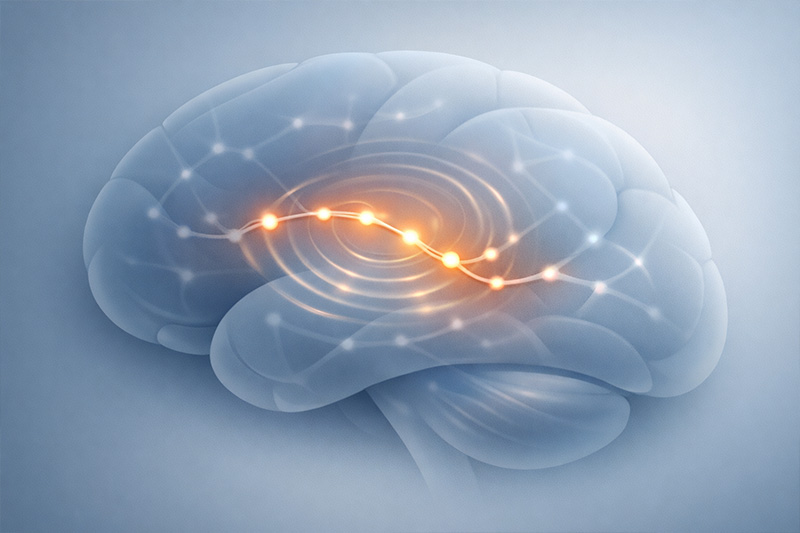
Early recovery depends on consistency. Each nicotine-free day helps the brain settle into a new baseline.
A slip interrupts this quietly. There may be no immediate return to daily use, which is why slips often seem harmless at first.
Internally, however, dopamine pathways linked to nicotine are active again. Cravings become sharper and more frequent.
People often notice increased mental chatter, emotional pull, or bargaining thoughts rather than instant relapse.
This is how slips undo recovery quietly—by weakening progress beneath the surface before behavior visibly changes.
What this explains about why relapse often follows “just one time”
This explains a common experience. A person slips once, feels fine initially, and believes control is intact.
But internally, the brain has shifted. Old pathways are active again, internal rules have softened, and cravings carry more weight.
Because this change happens gradually, relapse often feels sudden only in hindsight.
Relapse usually does not start with the decision to return to smoking. It starts with a small reactivation that pulls behavior back toward the old pattern.
Understanding this removes self-blame. Relapse follows brain biology, not moral failure.
This explanation clarifies why slips often lead to relapse even when motivation is strong.
After quitting, the brain begins settling into a new normal where nicotine is no longer expected. This recovery depends on clear, consistent signals.
When a slip happens, the brain does not see it as a mistake. It sees it as availability. Old pathways reactivate, and recovery slows.
Cravings that follow are not about weak discipline. They are predictable responses to nicotine re-exposure.
This shows why slips are not harmless pauses—they actively interrupt recovery by reopening pathways that were closing.
FAQs
Biologically, it reintroduces nicotine into a brain that was recovering.
Because brain changes happen gradually, not instantly.
No. It means the brain has been re-exposed.
Because old pathways are being strengthened again.
Yes, once nicotine exposure stops again.
Because effects are internal and delayed.
Because the groundwork was laid quietly.
Yes. Cravings fade. Slips reactivate pathways.
If slips lead to severe anxiety, sleep issues, or physical symptoms.
QSFS / Masterclass
The Quit Smoking & Nicotine Freedom System (QSFS) explains how nicotine reactivation, brain pathways, and identity patterns interact during quitting and relapse.
It focuses on understanding mechanisms rather than willpower.
This is educational only and not a medical treatment.
Summary
Slips are often misunderstood as harmless. In reality, they reintroduce nicotine into a brain that was recovering.
Even small exposure can reactivate old pathways, strengthen cravings, and quietly disrupt progress.
Relapse is not a failure of character. It is a predictable biological response to nicotine re-entry.
Understanding this replaces guilt with clarity and shows why consistency—not perfection—is what supports long-term recovery.
References
- World Health Organization (WHO) – Tobacco dependence
https://www.who.int/health-topics/tobacco - National Institute on Drug Abuse (NIDA) – Addiction and relapse
https://nida.nih.gov/research-topics/addiction
Disclaimer
This article is shared for educational and informational purposes only. Its intent is to help readers understand how nicotine, smoking, and chewing tobacco can affect the body through known biological processes.
The content here is not a substitute for professional medical advice, diagnosis, or treatment. Health conditions can vary from person to person, and medical decisions should always be made based on individual evaluation.
If you are experiencing symptoms such as chest pain, persistent high blood pressure, palpitations, fainting, breathing difficulty, or any other concerning health issue, it is important to seek medical attention from a qualified healthcare professional.
Share via: