
Introduction: Why Self-Control Fails and It’s Not Your Fault
We’ve all heard it before: “Just stop smoking. Use your willpower.” It sounds simple, doesn’t it? But if quitting smoking was truly a matter of self-control, wouldn’t every smoker have quit by now?
Here’s the truth: Quitting nicotine isn’t about being “strong” or having “more willpower.” It’s about understanding how nicotine addiction rewires your brain, making it nearly impossible to rely on self-control alone.
Let me ask you something—how many times have you tried to quit smoking, only to relapse after a stressful day, an emotional trigger, or even boredom? That’s not a failure of willpower—it’s a reflection of how addiction overrides logic and will.
In this blog, we’ll uncover why self-control alone isn’t enough, explore the real science behind breaking free, and share proven strategies to quit nicotine for good
Willpower Explained: Why It’s Limited
Willpower is Like a Muscle
Imagine your willpower as a muscle. The more you use it throughout the day, the more it gets tired. By the evening, after handling work stress, family obligations, and endless decisions, your mental strength is drained—leaving you vulnerable to cravings.
Why does this happen?
- Stress and Fatigue: Nicotine withdrawal becomes harder to resist when your mental resources are depleted.
- Decision Fatigue: Every choice you make throughout the day uses up energy, leaving less strength to resist temptations.
- Dopamine Depletion: Nicotine provides a dopamine boost, but when you quit, your brain demands more of that “feel-good” chemical, making cravings even harder to ignore.
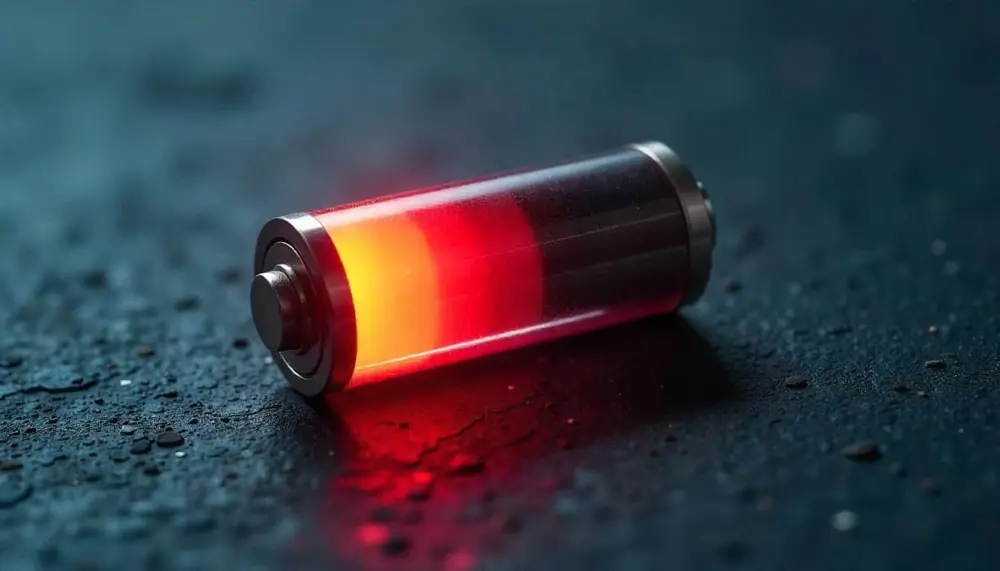
💡 Think of your willpower as a battery that drains throughout the day. By nighttime, there’s little energy left to fight your cravings.
👉"Want to learn more about willpower and decision fatigue? Read this study from the American Psychological Association on how self-control is depleted under stress."
The Emotional and Psychological Triggers of Smoking

Nicotine addiction isn’t just about physical cravings—it’s deeply tied to emotions, habits, and daily routines.
Here are some common triggers that keep smokers hooked:
- Stress Relief: Lighting up after a tense meeting or argument.
- Social Bonding: Smoking during breaks with coworkers or friends.
- Routine Habits: Cigarettes paired with coffee or after meals.
Why Self-Control Alone Is Not Enough
Here’s the hard truth: Willpower can help you resist for a while, but it doesn’t address the root cause of addiction.
Why? Because addiction rewires your brain to see smoking as a “solution” to stress, boredom, or emotional pain. Without addressing these emotional and psychological triggers, quitting feels like an endless battle.
💡 Think of it this way—quitting smoking with willpower alone is like trying to drive a car with a flat tire. You might get a few miles, but eventually, you’ll break down unless you fix the problem.
Real-Life Testimonial: Mehul’s Journey Beyond Self-Control

Mehul, like many others, thought he could rely on sheer willpower to quit smoking. He tried to cut down gradually, used self-control strategies, and fought against his cravings for years—but nothing worked.
It wasn’t until he discovered the QSFS method that he realized quitting isn’t about battling yourself—it’s about understanding and addressing the root causes of addiction.
The QSFS Solution: Breaking Free From Addiction

QSFS (Quit Smoking Freedom System) is a science-backed, 3-week program designed to help you quit smoking by addressing the physical, emotional, and psychological triggers that keep you addicted.
What makes QSFS different?
- Holistic Approach: Tackles emotional, behavioral, and physical aspects of addiction.
- Personalized Support: Includes one-on-one coaching to address your unique challenges.
- Fast Results

Frequently Asked Questions
Why does self-control fail when trying to quit smoking?
Self-control doesn’t address the deeper triggers of nicotine addiction, such as stress, emotions, and ingrained habits. These factors require strategies beyond willpower.
Is smoking addiction purely physical?
No, nicotine addiction is both physical and psychological. While nicotine creates a dependency, emotional and behavioral triggers are what make it so hard to quit.
What are emotional triggers, and how do they affect quitting?
Emotional triggers are feelings or situations that prompt smoking, such as stress, loneliness, or boredom. Unless these are addressed, cravings will persist, even after the physical withdrawal is over.
Can I quit smoking without addressing my habits?
It’s unlikely. Smoking is a behavior tied to routines, like smoking with coffee or during breaks. Breaking these patterns is crucial for long-term success.
How does QSFS help where willpower fails?
QSFS provides a holistic solution by addressing emotional, physical, and habitual triggers. It’s designed to teach you how to understand and manage cravings effectively, without relying on willpower alone.
Does quitting smoking lead to more stress?
Temporarily, withdrawal symptoms may make you feel more irritable or stressed. However, in the long term, quitting reduces stress by breaking the cycle of nicotine dependency.
How long does it take to notice improvements after quitting?
Most people notice positive changes within weeks. By 3 months, you’ll experience better energy, reduced cravings, and improved mood stability.
Is it normal to relapse after quitting smoking?
Yes, relapses are common. They’re not failures but opportunities to learn what triggered you. A system like QSFS can help you quit for good by addressing those triggers.
Conclusion: Understand Yourself to Quit for Good
Quitting smoking isn’t about fighting yourself—it’s about understanding yourself.
When you rely solely on self-control, you’re essentially trying to suppress cravings without addressing what’s causing them. It’s like trying to hold back a tidal wave with your bare hands—it’s overwhelming and unsustainable.
Here’s what you need to remember:
- It’s not about willpower; it’s about strategy. Quitting smoking requires addressing the physical, emotional, and psychological roots of your addiction.
- Every small step counts. Whether it’s identifying triggers or changing habits, every effort brings you closer to freedom.
- You’re not alone. Thousands of people have successfully quit smoking through programs like QSFS, and you can too.
Take the first step today. Quitting smoking is more than just ditching cigarettes—it’s about reclaiming your life, your health, and your happiness.