
Introduction: Smoking and Depression—A Vicious Cycle
For many smokers, lighting up a cigarette feels like a moment of relief—a way to escape stress, anxiety, or depression. But have you ever wondered why smoking feels so comforting, yet leaves you feeling worse in the long run?
Here’s the hard truth: Smoking doesn’t cure depression; it traps you in a vicious cycle. Nicotine provides temporary relief by releasing dopamine (the “feel-good” chemical), but it depletes your brain’s natural ability to regulate mood over time.
If you’ve ever felt stuck in this cycle, you’re not alone. The good news? Quitting smoking can significantly improve your mental health and break this damaging loop.
👉 "Looking for daily motivation to quit smoking and improve your mental health? Follow us on Instagram for expert tips and inspiring stories."
How Nicotine Impacts Mental Health
Nicotine isn’t just addictive—it actively alters your brain chemistry, creating a cycle of dependency that impacts your mental health in profound ways.
Key Effects of Nicotine on Mental Health:

- Temporary Dopamine Boost:
Smoking releases dopamine, which provides a fleeting sense of pleasure and relaxation. - Mood Swings:
As nicotine levels drop, you experience irritability, anxiety, and sadness, leading to more cravings. - Stress Amplification:
Contrary to popular belief, smoking increases stress levels over time by disrupting the body’s natural stress-response system.
The Science Behind the Smoking-Depression Connection
Smoking and depression are deeply intertwined, but which comes first? Here’s what science tells us:
Key Insights:
- Self-Medication Hypothesis:
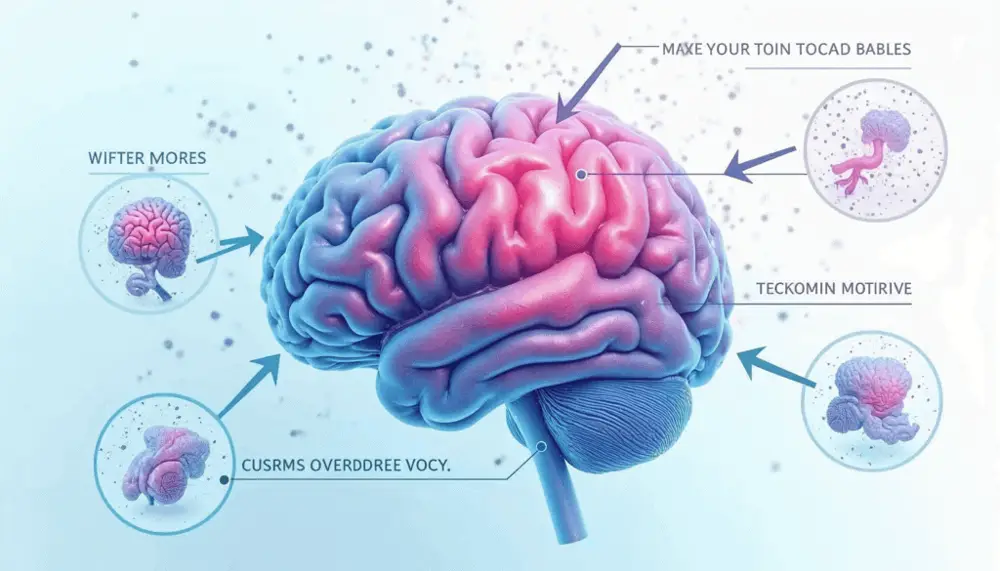
People with depression often turn to smoking as a way to “medicate” their symptoms. - Nicotine’s Long-Term Impact:
Over time, nicotine disrupts your brain’s serotonin and dopamine balance, which are crucial for regulating mood. - Increased Risk of Depression:
Studies reveal that smokers are 2–3 times more likely to develop major depressive disorders.
"Discover more about how smoking affects mental health and emotional well-being."
Does Quitting Smoking Worsen Depression? The Truth
Many smokers fear that quitting will make their depression worse. While it’s true that nicotine withdrawal can temporarily intensify mood swings, the long-term mental health benefits far outweigh these short-term challenges.
Key Facts:

- Short-Term Challenges:
Symptoms like irritability, restlessness, and low mood are common during the first few weeks of quitting. - Long-Term Benefits:
Within months, your brain begins to recover its natural dopamine and serotonin production, improving mood stability and reducing depressive symptoms.
Fact: People who quit smoking experience a 25% reduction in depression and anxiety symptoms within the first year.
The Benefits of Quitting Smoking for Mental Health
Quitting smoking isn’t just good for your lungs—it’s transformative for your mental health.
Key Benefits:

- Improved Mood Stability:
Restoring natural dopamine and serotonin levels helps you feel happier and calmer. - Reduced Anxiety:
Without nicotine-induced stress spikes, you’ll notice a significant reduction in anxiety levels. - Better Sleep:
Nicotine disrupts your sleep cycle, so quitting can improve your overall rest and energy. - Enhanced Confidence:
Breaking free from nicotine dependency boosts self-esteem and mental clarity.
Key Takeaway: While individual results vary, many women experience improved fertility within a few months of quitting smoking.
How to Quit Smoking Without Aggravating Depression
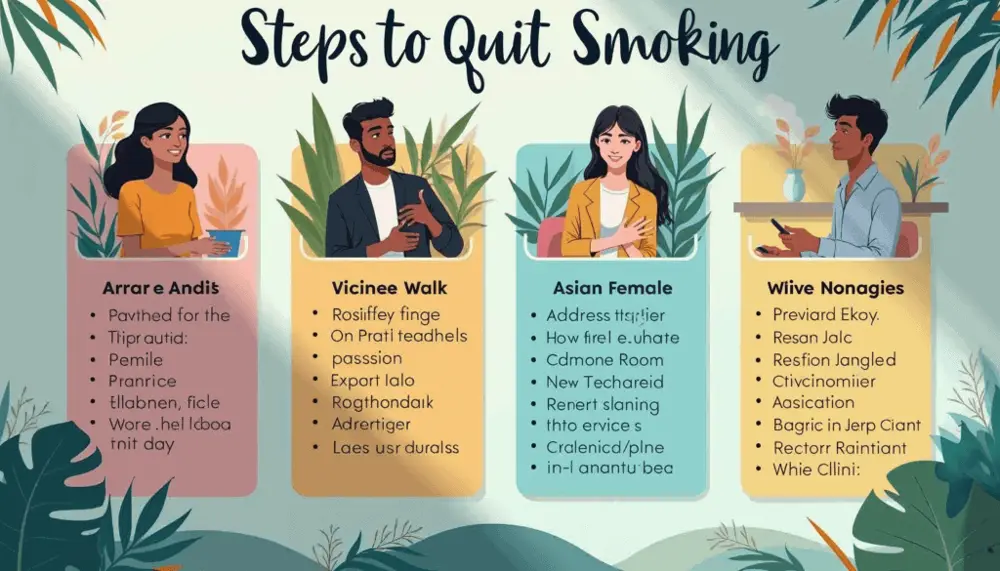
Breaking free from nicotine while managing depression requires a thoughtful and holistic approach.
Actionable Steps:
- Seek Support:
Join a supportive community or program like QSFS to stay motivated. - Focus on Self-Care:
Practice mindfulness, exercise, and a healthy diet to boost mood naturally. - Address Triggers:
Identify emotional and situational triggers that lead to cravings and develop healthier coping mechanisms. - Use Professional Guidance:
Consider counseling or therapy to manage withdrawal symptoms and underlying depression.
Key Takeaway: A healthy lifestyle that includes balanced nutrition, regular exercise, and stress management can further boost fertility after quitting smoking.
Real-Life Testimonial: Dr. Kinnar’s Journey to Mental Clarity
🎙️ Audio Testimonial
"Dr. Kinnar shares his inspiring story of overcoming nicotine addiction and depression with the help of QSFS. Hear how quitting smoking transformed his mental health and overall life."
Key Takeaway: A healthy lifestyle that includes balanced nutrition, regular exercise, and stress management can further boost fertility after quitting smoking.

Frequently Asked Questions
Does smoking really help with depression?
No. Smoking may provide temporary relief by triggering a dopamine release, but it depletes your brain’s natural ability to regulate mood over time, worsening depression.
Can quitting smoking improve my mental health?
Yes! Quitting restores your brain’s natural dopamine and serotonin balance, reducing anxiety and depressive symptoms in the long run.
What’s the connection between smoking and anxiety?
Smoking increases stress and anxiety by disrupting your body’s stress-response system. Quitting helps stabilize your mood and reduce these effects.
How long does it take for mental health to improve after quitting smoking?
Mental health benefits start within weeks of quitting, with significant improvements in mood and stress levels often observed within the first 3–6 months.
Does nicotine replacement therapy (NRT) help with depression while quitting?
NRT can ease withdrawal symptoms, but it doesn’t address the emotional and behavioral aspects of nicotine addiction. A holistic approach, like QSFS, works best.
Can quitting smoking cause long-term depression?
No, quitting smoking is unlikely to cause long-term depression. In fact, most ex-smokers report better mood and mental clarity over time.
How does QSFS address smoking and depression?
QSFS offers a holistic approach that tackles nicotine addiction’s physical, emotional, and psychological triggers, providing a structured and supportive way to quit.
Conclusion: Break Free and Reclaim Your Mind
Smoking may feel like a temporary escape from depression, but it’s a trap that keeps pulling you deeper into the cycle of dependency and mental health struggles.
The good news? You can break free.
Quitting smoking isn’t just about ditching cigarettes—it’s about reclaiming control of your life, mental clarity, and emotional well-being. While the process may seem daunting, remember that every small step you take brings you closer to a healthier, happier, and smoke-free version of yourself.
Take that first step today. Your mind, body, and future self will thank you.
- 👉 "Need daily inspiration and tips? Follow us on Instagram for expert advice and success stories."
If you are being treated for this condition, please keep taking your medicines and following your doctor's advice while you quit.