
You may have seen pictures of black lungs and wondered, "Can my lungs ever become healthy again?"
The answer is more hopeful than you might expect.
First, a common misunderstanding
Your lungs don't suddenly turn solid black. What actually happens is that tar from cigarette smoke gradually builds up inside your lungs over many years. This buildup gives a smoker's lungs a darker appearance than the lungs of someone who has never smoked.
But that's only part of the story.
Your lungs have their own cleaning system
Inside your lungs are tiny hair-like structures called cilia. Think of them as tiny cleaning brushes. Their job is to remove mucus, dirt and tar from your airways so your lungs stay as clean as possible.
Smoking damages these cilia and slows them down. That's one reason smokers often develop a persistent cough — the lungs can no longer clear themselves properly.
The good news is that this starts to change after you quit. In the first weeks, your cilia begin repairing themselves. As they recover, they slowly start clearing out the tar and mucus that have built up over time.
Healing happens little by little
This doesn't happen overnight. Your lungs clean themselves gradually over months and years, not days. But the recovery is real, and people who stay smoke-free for years generally have healthier lung tissue than people who keep smoking.
How much can your lungs recover?
It depends on how long you smoked, how much you smoked each day, and how long you've stayed smoke-free.
For example, if you smoked for five years, your lungs usually have less damage to repair than if you smoked heavily for 30 years, so recovery is often more complete. But even if you've smoked for many years, your lungs don't simply stop healing.
The one honest limit
Some damage, especially in long-term smokers or in those who have developed conditions such as COPD, cannot be completely reversed. But not fully reversible does not mean no improvement. Even partial healing can help you breathe more easily, reduce chest infections, and lower your risk of many smoking-related diseases. Your doctor can tell you more about your own lungs.
So, can blackened lungs turn pink again?
Your lungs can become healthier and gradually improve after you quit, but how much they recover depends on how much damage has already happened. Healing begins much sooner than most people realise — and the sooner you quit, the more chance your lungs have to recover.
A doctor who quit with QSFS
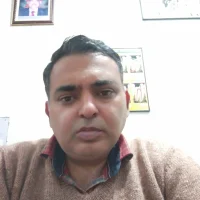
"This program is scientific and really understandable — why and how easy it can be to quit smoking and nicotine."
Dr. Ashish Kapoor, Dentist, Nadaun, Himachal Pradesh
A student's experience

"Now I am tobacco-free, more confident in my work, and my health has improved."
Vijay Kumar Rao, Varanasi, Uttar Pradesh
Frequently Asked Questions
Do smokers' lungs really turn black?
Not solid black. Tar from smoke builds up over years and makes the lungs look darker than a non-smoker's. After quitting, the lungs' own cleaning system slowly starts clearing it.
How soon do lungs start healing after quitting?
The tiny cleaning hairs in your airways (cilia) begin repairing in the first weeks. Many people notice they cough up more mucus at first — that is often the lungs starting to clean themselves.
Can lungs fully recover after many years of smoking?
Not always completely, especially after long, heavy smoking or with conditions like COPD. But lungs keep improving after you quit, and even partial healing makes breathing easier.
Is it too late to quit if I have smoked for 20 or 30 years?
No. Your lungs and body begin to benefit whenever you stop. The sooner you quit, the more recovery is possible.