
Why Gradual Quitting Can Be More Dangerous

Authored by QSFS Team: Final Review by Aman Doda
Last Updated: 03/02/2026

- What actually happens in the body during gradual quitting
- How repeated nicotine reduction keeps the brain in a withdrawal state
- Why “cutting down” can increase stress on the nervous system
- How ongoing exposure continues physical damage even at lower doses
- What explains why gradual quitting often feels harder over time
- 01: What gradual quitting does to nicotine levels in the body
- 02: How repeated reduction keeps the brain in withdrawal
- 03: Why stress hormones stay elevated during tapering
- 04: How ongoing low-dose exposure continues physical damage
- 05: What this explains about why gradual quitting often feels harder and riskier
- 06: What’s Really Inside a Cigarette | The Truth Every Smoker Must Know
- 07: FAQs
- 08: Disclaimer
Many people try to quit smoking or nicotine by cutting down slowly, believing it will make quitting easier. Fewer cigarettes, smaller amounts, or “only when really needed” feels safer and easier to manage.
At first, gradual quitting sounds sensible. The idea is to reduce harm while giving the body time to adjust. This approach is often praised as being more responsible than stopping suddenly.
However, many people notice something unexpected. Instead of feeling easier, gradual quitting often feels more stressful, more tiring, and harder to continue over time.
To understand why this happens, it helps to look at how nicotine works inside the body—and how repeated reduction affects the brain and nervous system.
What gradual quitting does to nicotine levels in the body
The brain functions best when nicotine levels are stable. Over time, it adapts to a certain level and learns to operate around it.
During gradual quitting, nicotine levels keep going up and down. One day there is less, another day slightly more, then less again. The body never reaches a steady state.
Each reduction triggers mild withdrawal. Stress chemicals rise, dopamine drops a little, and the nervous system senses imbalance—even if the cut is small.
Because nicotine is still being used, the brain does not fully reset. But because the dose is lower, it also never feels fully settled. The body stays stuck between relief and discomfort.
Instead of moving toward recovery, the system remains in constant adjustment. This ongoing instability is why gradual quitting often feels mentally draining and physically uncomfortable over time.
How repeated reduction keeps the brain in withdrawal
Every time nicotine intake is reduced, the brain reacts as if something important is missing. Dopamine levels dip, and stress signals increase.
With gradual quitting, this happens again and again. The brain enters withdrawal repeatedly but never completes it because nicotine keeps returning in smaller amounts.
This creates a loop: mild withdrawal → brief relief → mild withdrawal again. The nervous system stays activated instead of calming down.
Because the brain never reaches a clear “nicotine-free” state, it cannot begin full recovery. At the same time, it no longer receives enough nicotine to feel stable.
This repeated withdrawal cycle strains the brain more than a clean stop. It explains why gradual quitting often feels emotionally unstable, mentally exhausting, and difficult to sustain.
Why stress hormones stay elevated during tapering
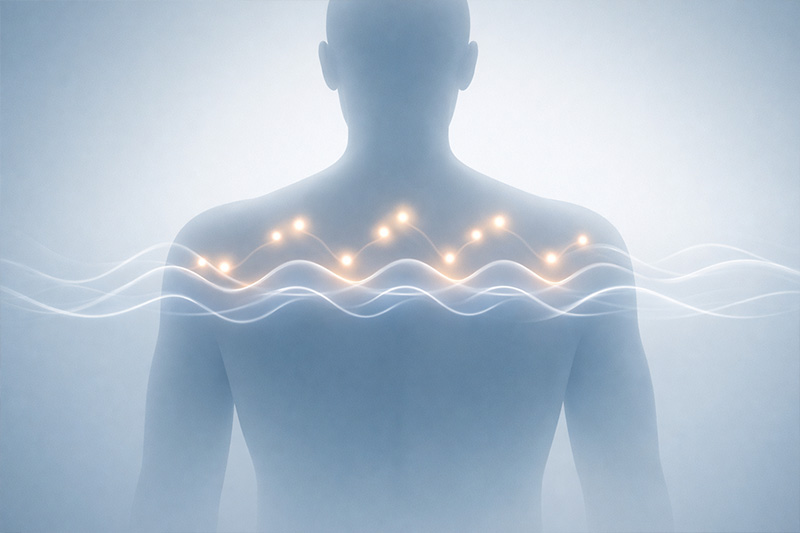
Nicotine directly affects the body’s stress system. When nicotine levels drop, the brain releases stress hormones to push the body into an uncomfortable, alert state.
During gradual quitting, nicotine drops in small steps. Each drop triggers a stress response, even if the reduction feels minor.
Because nicotine is still being used, the stress system never fully switches off. And because levels keep changing, it is triggered repeatedly.
This keeps stress hormones like adrenaline and cortisol higher than normal for long periods. The body stays tense, restless, and easily overwhelmed.
Over time, this constant low-level stress can disturb sleep, mood, focus, and emotional balance. This is why gradual quitting often feels more draining than expected.
Reducing nicotine does not stop physical harm—it only slows it slightly. As long as nicotine continues to enter the body, damage continues.
Even small amounts of nicotine cause blood vessels to tighten. This restricts blood flow and prevents normal healing from starting.
Low-dose exposure also keeps inflammation active. The body remains in a defensive state instead of shifting into repair mode.
Organs such as the heart, lungs, and blood vessels respond to repeated exposure, not just large amounts. Small doses repeated over time still maintain stress on these systems.
Because gradual quitting extends exposure, physical recovery is delayed. This is why “less nicotine” is not the same as “no nicotine” when it comes to healing.
What this explains about why gradual quitting often feels harder and riskier
Gradual quitting keeps the body stuck in an unstable middle state. Nicotine is never fully present, but never fully gone.
The brain stays caught between withdrawal and relief. Stress hormones remain high, dopamine stays low, and the nervous system does not receive a clear signal to reset.
At the same time, physical stress continues because nicotine exposure has not stopped. Blood vessels remain strained, inflammation persists, and healing is delayed.
This combination—ongoing damage plus repeated withdrawal—can make gradual quitting feel more exhausting and overwhelming than expected.
Instead of easing the process, gradual quitting often extends discomfort and risk by keeping the body trapped in imbalance for longer.
This explanation helps clarify why gradual quitting often feels harder instead of easier. The body is not designed to recover while nicotine levels keep rising and falling.
By cutting down slowly, the brain stays in repeated withdrawal without ever completing it. Stress signals remain active, mood feels unstable, and cravings feel constant rather than temporary.
At the same time, the body continues to experience physical strain from ongoing nicotine exposure. Blood vessels stay restricted, inflammation continues, and healing is delayed.
This explains why many people feel stuck or discouraged during gradual quitting. The problem is not lack of effort—the body never receives a clear signal to move fully from damage into recovery.
FAQs
Gradual quitting reduces intake, but it still keeps nicotine entering the body. This continues stress on the brain and blood vessels and delays full recovery.
Because nicotine levels keep fluctuating. The brain repeatedly enters mild withdrawal without fully resetting.
Reducing intake may lower exposure slightly, but physical stress and inflammation continue as long as nicotine is still used.
Repeated withdrawal keeps stress hormones elevated, preventing the nervous system from calming down.
Yes. Continued nicotine exposure keeps blood vessels restricted and inflammation active.
Prolonged discomfort without stability exhausts the brain, increasing relapse risk.
Repeated reductions keep the brain in adjustment mode rather than allowing it to settle.
Not everyone experiences the same intensity, but biologically it keeps stress and damage active longer.
If tapering causes severe anxiety, sleep problems, palpitations, or mood instability, please speak to a doctor.
QSFS / Masterclass
Many people attempt gradual quitting believing it is safer and easier. What is often missing is an explanation of how nicotine actually affects the brain during tapering.
The Quit Smoking & Nicotine Freedom System (QSFS) explains why repeated nicotine reduction keeps the body trapped in stress and withdrawal instead of allowing recovery. It focuses on understanding brain chemistry and physical healing, not willpower.
This is educational only. QSFS does not provide medical treatment or quitting instructions.
Summary
Gradual quitting keeps the body in an unstable state. Nicotine is never fully present, but it is never fully removed either.
Each reduction triggers stress responses, while continued exposure keeps physical damage active. The brain remains stuck in repeated withdrawal, and healing is delayed.
This explains why gradual quitting often feels more exhausting and harder to sustain over time. The issue is not motivation or willpower—it is that the body never receives a clear signal to shift from damage control into recovery.
References
- World Health Organization (WHO) – Tobacco and nicotine dependence
https://www.who.int/health-topics/tobacco - National Institute on Drug Abuse (NIDA) – Nicotine and the brain
https://nida.nih.gov/research-topics/nicotine
Disclaimer
This article is shared for educational and informational purposes only. Its intent is to help readers understand how nicotine, smoking, and chewing tobacco can affect the body through known biological processes.
The content here is not a substitute for professional medical advice, diagnosis, or treatment. Health conditions can vary from person to person, and medical decisions should always be made based on individual evaluation.
If you are experiencing symptoms such as chest pain, persistent high blood pressure, palpitations, fainting, breathing difficulty, or any other concerning health issue, it is important to seek medical attention from a qualified healthcare professional.
Share via: