
Benefits of Quitting Gutka

Authored by QSFS Team: Final Review by Aman Doda
Last Updated: 02/02/2026

- How gutka affects the mouth, gums, and inner cheek lining
- What changes begin inside the body after stopping gutka
- How blood flow and healing improve after quitting
- Why mouth discomfort and irritation reduce gradually
- What long-term health benefits come from quitting gutka
- 01: How gutka affects the mouth and oral tissues
- 02: What changes begin in the mouth after quitting gutka
- 03: How blood flow and healing improve after stopping
- 04: Why irritation, burning, and tightness reduce over time
- 05: What long-term benefits appear after quitting gutka
- 06: What Happens to Your Body in 30 Days After You Quit Smoking or Gutka
- 07: FAQs
- 08: Disclaimer
Gutka use often starts casually and slowly becomes part of daily life—after meals, during work breaks, or during stress. Because it stays inside the mouth, many people assume its effects are limited to teeth or gums.
Over time, users may notice burning, tightness, reduced taste, mouth sores, or constant irritation. These symptoms are often ignored or accepted as “normal” side effects.
When someone stops using gutka, a common question is whether the mouth can actually recover—and what improves first.
To understand the benefits of quitting gutka, it helps to see how gutka affects the mouth and what begins to change once this exposure stops.
How gutka affects the mouth and oral tissues
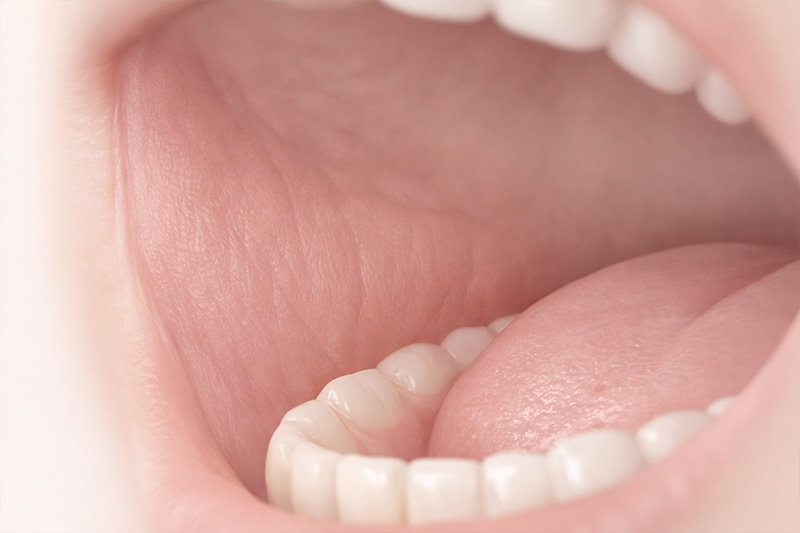
Gutka is kept directly against the inner cheek or gums, sometimes for long periods and many times a day. This means the mouth lining is exposed continuously.
Gutka contains tobacco, lime, and other chemicals. Lime makes nicotine absorb faster, but it also causes chemical irritation and burning over time.
Constant contact damages the soft lining of the mouth. The tissue becomes thicker, tighter, and less flexible. Blood flow to these areas can reduce, which slows healing and makes the tissue more fragile.
Taste buds are also affected. Many users notice numbness, reduced taste, or a constant dull feeling in the mouth.
Because this exposure is direct and repeated, damage builds gradually. This is why the mouth is often the first place where benefits are noticed after quitting gutka.
What changes begin in the mouth after quitting gutka
When gutka use stops, chemical irritation inside the mouth also stops. This gives the tissues a chance to start healing.
Blood flow to the inner cheeks, gums, and tongue slowly improves. With better circulation, oxygen and nutrients reach damaged areas more effectively.
The tight, stiff feeling inside the cheeks often starts reducing as tissues regain flexibility. This happens because cells are no longer being injured again and again.
Burning, soreness, and irritation usually begin to settle. Small sores or raw patches heal more easily once exposure ends.
Taste may also improve. As irritated nerves calm down, flavors often become clearer and more noticeable.
These changes start internally first. Visible improvement follows gradually as healing continues.
How blood flow and healing improve after stopping gutka
Gutka repeatedly irritates the mouth and tightens small blood vessels. This limits oxygen and nutrient supply to oral tissues.
After quitting, this constant irritation stops. Blood vessels slowly relax, allowing better circulation to the mouth.
Improved blood flow supports healing. Cells receive more oxygen, repair damage better, and clear waste more efficiently.
With better circulation, the mouth feels less dry, tight, and uncomfortable. Inflammation reduces, and normal tissue function begins returning.
This improved blood supply is a major reason discomfort slowly decreases after quitting gutka. Healing becomes possible once circulation improves.
Burning and irritation happen because gutka repeatedly injures the mouth lining and keeps it inflamed.
Once gutka use stops, the source of injury is removed. Inflammation slowly settles because the tissue is no longer being damaged daily.
Tightness reduces as new, healthier cells replace damaged ones. The lining softens instead of staying rigid.
Nerve endings that were constantly irritated begin calming down. This reduces burning and abnormal sensitivity.
These changes take time because oral tissues heal layer by layer. Improvement is gradual, but it reflects real recovery—not temporary relief.
What long-term benefits appear after quitting gutka
When gutka use stays stopped, healing goes beyond just early relief from burning or discomfort.
Over time, the gums often become firmer and bleed less easily. The inner cheek lining slowly regains flexibility and looks healthier instead of feeling thick, tight, or rough.
Taste and mouth sensitivity usually improve as irritated nerve endings recover. Eating feels more comfortable, and flavors become clearer and more enjoyable again.
Stopping gutka also reduces constant nicotine entry into the bloodstream. This lowers ongoing inflammation and reduces stress on blood vessels throughout the body.
Most importantly, quitting removes continuous chemical injury. Instead of repeatedly managing damage, the body can focus on repair and maintenance, supporting long-term oral health and overall well-being.
This explains why mouth problems begin improving after quitting gutka but do not disappear overnight.
Gutka keeps oral tissues in a damaged state by repeated chemical injury and reduced blood flow. Once this exposure stops, the body shifts from damage to repair.
Early relief comes from reduced inflammation and better circulation. Deeper healing—like tissue strength and nerve recovery—takes longer.
Slow improvement does not mean quitting isn’t helping. It means healing is happening first inside, before it becomes fully visible or comfortable.
FAQs
Many people first notice reduced burning, irritation, or tightness in the mouth as chemical exposure stops and inflammation begins to settle.
Healing begins once exposure stops, but visible improvement happens gradually as tissues repair layer by layer.
Yes. Taste buds and nerve endings often recover slowly, making flavors clearer over time.
Reduced irritation allows tissues to soften gradually. Flexibility can improve as healing continues.
Yes. Once repeated injury stops, sores can heal more easily.
The earliest changes appear in the mouth, but reduced nicotine exposure benefits blood vessels and overall inflammation as well.
Quitting stops further damage and allows steady healing. Some changes may not fully reverse, but comfort and tissue health often improve.
Oral tissues heal gradually. Cells need time to replace damaged layers and reduce long-standing inflammation.
If there are persistent sores, white or red patches, pain, or difficulty opening the mouth, please speak to a doctor.
QSFS / Masterclass
Some people want to understand gutka use and quitting beyond warnings and surface advice.
The Quit Smoking & Nicotine Freedom System (QSFS) is a structured educational framework that explains how gutka and other tobacco products affect oral tissues, blood flow, nerves, and long-term health. It focuses on clear biological understanding rather than fear or willpower-based messaging.
This article follows the same principle: explain what is happening inside the body first, then let understanding guide awareness.
This is educational only. QSFS is not a medical treatment and does not replace professional healthcare.
Summary
Gutka damages the mouth through constant contact with tobacco, lime, and chemicals. This keeps oral tissues irritated, restricts blood flow, and slows healing.
After quitting, the source of injury is removed. Circulation improves, inflammation settles, and tissues begin repairing themselves.
Early benefits include reduced burning and tightness. Over time, deeper healing continues—taste improves, gums strengthen, and mouth tissues regain flexibility.
The real benefit of quitting gutka is steady recovery. Healing happens step by step as the body moves from continuous damage to repair and maintenance.
References
- World Health Organization (WHO) – Smokeless tobacco and health effects
https://www.who.int/teams/health-promotion/tobacco-control - Indian Council of Medical Research (ICMR) – Health effects of smokeless tobacco
https://www.icmr.gov.in
Disclaimer
This article is shared for educational and informational purposes only. Its intent is to help readers understand how nicotine, smoking, and chewing tobacco can affect the body through known biological processes.
The content here is not a substitute for professional medical advice, diagnosis, or treatment. Health conditions can vary from person to person, and medical decisions should always be made based on individual evaluation.
If you are experiencing symptoms such as chest pain, persistent high blood pressure, palpitations, fainting, breathing difficulty, or any other concerning health issue, it is important to seek medical attention from a qualified healthcare professional.
Share via: