
How Smoking Affects Pregnancy

Authored by QSFS Team: Final Review by Aman Doda
Last Updated: 28/01/2026

- How smoking changes blood flow during pregnancy
- Why oxygen supply to the baby is affected by smoking
- What nicotine and smoke chemicals do to the placenta
- How smoking influences baby growth and development
- Why pregnancy outcomes are linked to repeated smoking exposure
- 01: How pregnancy normally depends on steady blood flow and oxygen
- 02: What smoking changes in the mother’s blood and circulation
- 03: How smoking affects the placenta and nutrient transfer
- 04: What reduced oxygen and nutrients mean for fetal growth
- 05: Why repeated smoking exposure increases pregnancy risks
- 06: FAQs
- 07: Disclaimer
Pregnancy is a time when a woman’s body is constantly working to support a growing baby. The baby depends fully on the mother for oxygen, blood supply, and nutrients to grow and develop properly.
When a woman smokes during pregnancy, chemicals from cigarette smoke enter her bloodstream and reach the baby through the placenta. This means the baby is exposed to these chemicals every time smoking happens.
These effects do not cause sudden problems right away. Instead, they build slowly with repeated smoking. Blood flow can change, oxygen supply can drop, and the baby may receive less nourishment than needed.
To understand how smoking affects pregnancy, this article helps to look at what happens inside the body—especially how smoking changes blood flow and oxygen delivery to the developing baby.
How pregnancy normally depends on steady blood flow and oxygen
During pregnancy, the baby cannot breathe or eat on its own. Everything the baby needs—oxygen and nutrients—comes through the mother’s blood.
The placenta works like a connection between the mother and the baby. Oxygen and nutrients pass from the mother’s blood, through the placenta, and then into the baby’s bloodstream.
For this system to work properly, blood vessels must stay open and blood must flow smoothly. Steady blood flow helps deliver enough oxygen for the baby’s growth, especially for the brain and other organs.
Even small reductions in blood flow or oxygen can affect how well the baby grows. That is why healthy circulation is so important during pregnancy.
When this balance is disturbed, the baby may not get enough oxygen or nutrients. Smoking is one of the things that disrupts this balance.
What smoking changes in the mother’s blood and circulation
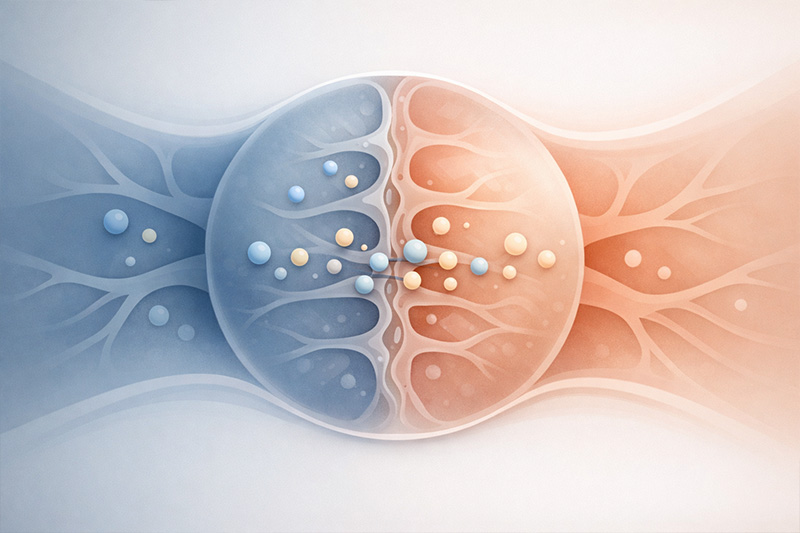
When a pregnant woman smokes, chemicals from cigarette smoke enter her bloodstream. These chemicals affect how blood moves through the body.
Nicotine causes blood vessels to tighten and narrow. When this happens, blood cannot flow as easily to the uterus and the placenta.
At the same time, cigarette smoke contains carbon monoxide, which reduces how much oxygen the blood can carry. Even though the mother is breathing normally, less oxygen is delivered through the blood.
Because of narrower blood vessels and lower oxygen levels, the blood reaching the placenta carries less oxygen and fewer nutrients than it should.
This is one of the earliest ways smoking affects pregnancy. It weakens the blood and oxygen supply that the baby depends on for growth and development.
How smoking affects the placenta and nutrient transfer
The placenta is the organ that connects the mother to the baby during pregnancy. Its main job is to pass oxygen and nutrients from the mother’s blood to the baby and carry waste away from the baby.
Smoking makes this job harder for the placenta. When nicotine tightens blood vessels, less blood reaches the placenta. With less blood coming in, there is less oxygen and fewer nutrients available for the baby.
Chemicals from cigarette smoke can also harm placental tissue itself. This damage reduces how well the placenta can move oxygen and nutrients from the mother to the baby.
When this transfer slows down, the baby does not get everything it needs to grow properly. Growth can become slower, and organ development may be affected.
This is why the placenta plays such a central role in smoking-related pregnancy problems. The baby is not breathing in smoke—but it is affected by a reduced supply of oxygen and nutrients caused by smoking.
A growing baby needs a constant supply of oxygen and nutrients to develop normally. These are essential for building organs, developing the brain, and gaining healthy weight.
When smoking reduces oxygen and nutrients, the baby grows with less support than it needs. Cells do not get enough fuel at the right time, so growth can slow down.
Lower oxygen levels can affect how important organs develop, especially the brain and lungs. Fewer nutrients can limit overall growth, which may result in a baby being smaller or having a lower birth weight.
Because smoking usually happens many times during pregnancy, this reduced supply can continue for weeks or months. The baby may adjust by growing more slowly, but this adjustment increases health risks.
This explains why smoking during pregnancy is linked to growth problems. It is not about one cigarette—it is about repeated reduction in oxygen and nutrients during important stages of development.
Why repeated smoking exposure increases pregnancy risks
Smoking during pregnancy usually happens many times, not just once. This means the baby is repeatedly exposed to reduced blood flow and lower oxygen levels.
Each time smoking tightens blood vessels and reduces oxygen, the placenta and the baby receive less support. When this happens again and again, there is not enough time for the body to fully recover between exposures.
Over time, this constant reduction puts extra stress on the developing baby. Growth may stay slower, and the baby has less room for healthy development.
Pregnancy follows very specific stages of growth. When these stages are disturbed repeatedly, the risk of problems increases.
This explains why smoking during pregnancy raises health risks. The harm does not come from one moment, but from continuous interference with blood flow, oxygen, and nutrient supply throughout pregnancy.
FAQs
Yes. Even small amounts of smoking can tighten blood vessels and reduce oxygen supply. Because the baby depends fully on this supply, repeated small reductions can still affect development.
The mother may feel normal, but smoking changes blood flow and oxygen levels silently. The baby experiences these changes directly through the placenta.
No. Smoking can affect pregnancy at any stage because blood flow, oxygen delivery, and organ development are important throughout pregnancy.
Yes. Smoking reduces oxygen and nutrient delivery through the placenta. This can slow growth and is commonly linked to lower birth weight.
Yes. Smoking reduces blood flow to the placenta and can damage placental tissue, making it less efficient at transferring oxygen and nutrients to the baby.
Reduced oxygen supply can affect how the brain develops. Because brain growth depends heavily on steady oxygen and nutrients, repeated shortages can interfere with normal development.
Yes. Repeated reduction in blood flow and oxygen can place stress on the pregnancy environment, which is linked to a higher chance of early or preterm delivery.
The effects begin during pregnancy. Reduced growth and development during this time can influence the baby’s health at birth and beyond.
If there are concerns about pregnancy health, growth of the baby, or continued smoking during pregnancy, please speak to a doctor.
QSFS / Masterclass
Some people understand pregnancy-related smoking risks better when the body is explained as a connected system rather than a list of warnings. The Quit Smoking & Nicotine Freedom System (QSFS) explains how smoking affects blood flow, oxygen delivery, placental function, and fetal development in a clear, step-by-step way.
This is an educational framework focused on understanding what happens inside the body during pregnancy when smoking continues. It does not provide medical treatment, quitting instructions, or guarantees—only simple explanations of the physical mechanisms involved.
Summary
Smoking during pregnancy affects the baby by changing how the mother’s body supplies blood, oxygen, and nutrients. Nicotine tightens blood vessels, and carbon monoxide reduces how much oxygen the blood can carry.
Because the baby depends completely on the mother’s blood for oxygen and nourishment, these changes directly reduce the support needed for healthy growth and development. The placenta works less efficiently, and the baby receives less oxygen and fewer nutrients.
These effects do not come from one cigarette. They build over time with repeated smoking, especially during important stages of the baby’s development.
This explains why smoking during pregnancy is linked to higher risks related to growth, development, and overall pregnancy health. The harm follows a clear physical process involving reduced blood flow, lower oxygen delivery, and ongoing stress on the placenta.
References
- World Health Organization (WHO) – Tobacco use and pregnancy
https://www.who.int/news-room/fact-sheets/detail/tobacco - Centers for Disease Control and Prevention (CDC) – Smoking during pregnancy
https://www.cdc.gov/tobacco/basic_information/health_effects/pregnancy/index.htm
Disclaimer
This article is shared for educational and informational purposes only. Its intent is to help readers understand how nicotine, smoking, and chewing tobacco can affect the body through known biological processes.
The content here is not a substitute for professional medical advice, diagnosis, or treatment. Health conditions can vary from person to person, and medical decisions should always be made based on individual evaluation.
If you are experiencing symptoms such as chest pain, persistent high blood pressure, palpitations, fainting, breathing difficulty, or any other concerning health issue, it is important to seek medical attention from a qualified healthcare professional.
The Quit Smoking & Nicotine Freedom System (QSFS) is a behavioral and educational support system, not a medical treatment. It does not diagnose, treat, or replace medical care. QSFS is designed to help individuals understand nicotine dependence, habit patterns, and behavioral change in a structured, non-medical way.
Readers are encouraged to use this information as a tool for understanding, not as a basis for self-diagnosis or medical decision-making.
Share via: